
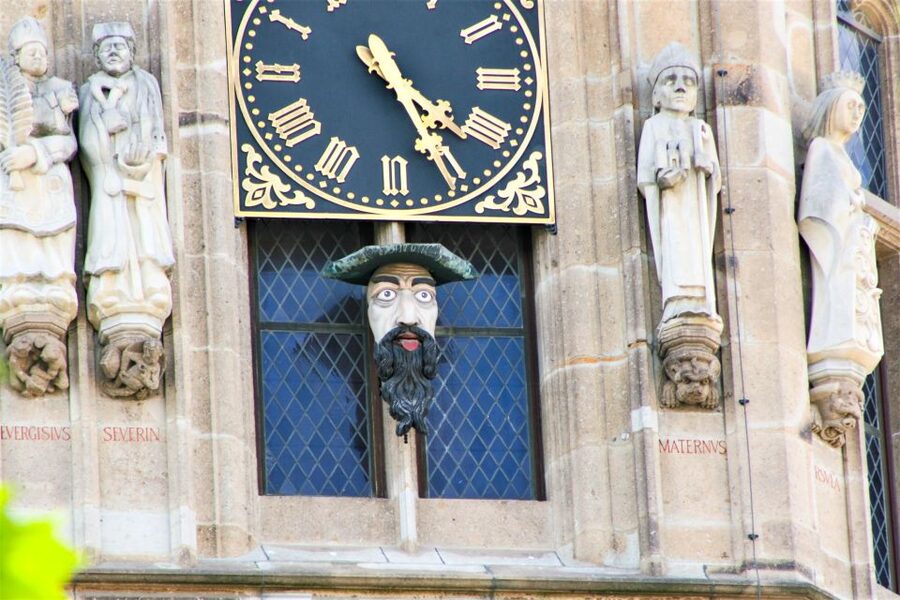
Reviewed · TOURS IN COLOGNE
Cologne: City Highlights with Local Guide
Cologne’s story comes in big, visible layers: Roman foundations, medieval churches, powerful merchants, wartime ruins, and a rebuilt old town. This two-hour walk follows that story from Heumarkt to Fischmarkt, past Groß St. Martin, Alter Markt, the historic town hall, and finally the cathedral area. I especially like the route’s clear shape and its focus on places you can see rather than dates you will soon forget.
I also like the small price of $16, which makes this a sensible first look at Cologne, and the chance to ask questions along the way. Guides such as Markus and Angelika bring a personal touch, with Markus praised for handling questions beyond the main subject and Angelika noted for her friendly humor. The main limitation is simple: the tour is in German only, so English speakers may miss much of the explanation.
Key points to know before you book
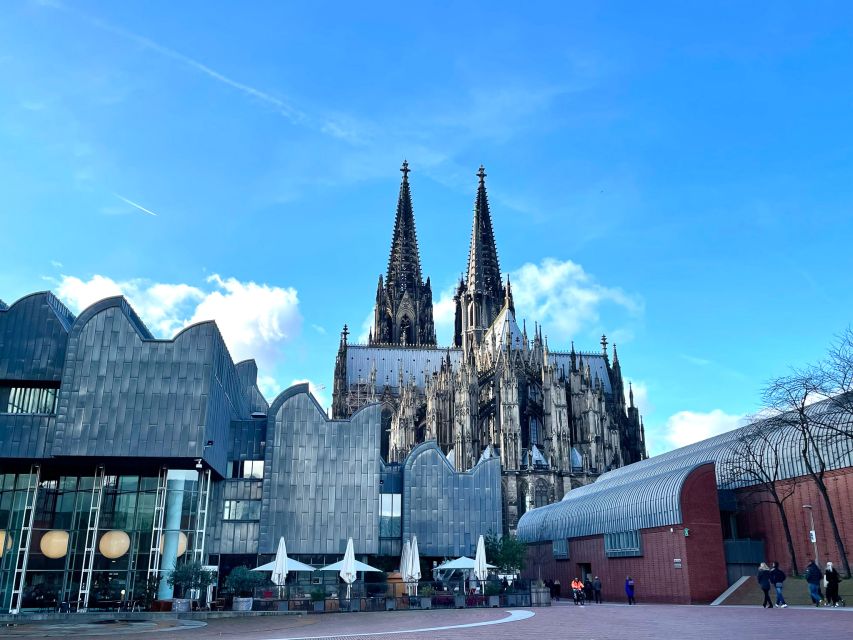
- Heumarkt to Cologne Cathedral: The walk links several major old-town landmarks in a logical two-hour route.
- Roman, medieval, and modern history: You hear about Romans, bishops, monks, merchants, craftsmen, French influence, wartime destruction, and rebuilding.
- Local Cologne character: The guide also introduces the city’s cheerful, open-minded local spirit.
- German-speaking guide: The experience is best for German speakers or anyone comfortable following a German history talk.
- Low-cost introduction: At $16 per person, it offers a useful orientation before you explore Cologne on your own.
- Comfortable shoes matter: This is a walking tour through old-town streets, so dress for the weather and wear shoes you can walk in for two hours.
Starting at Heumarkt with Cologne’s long story
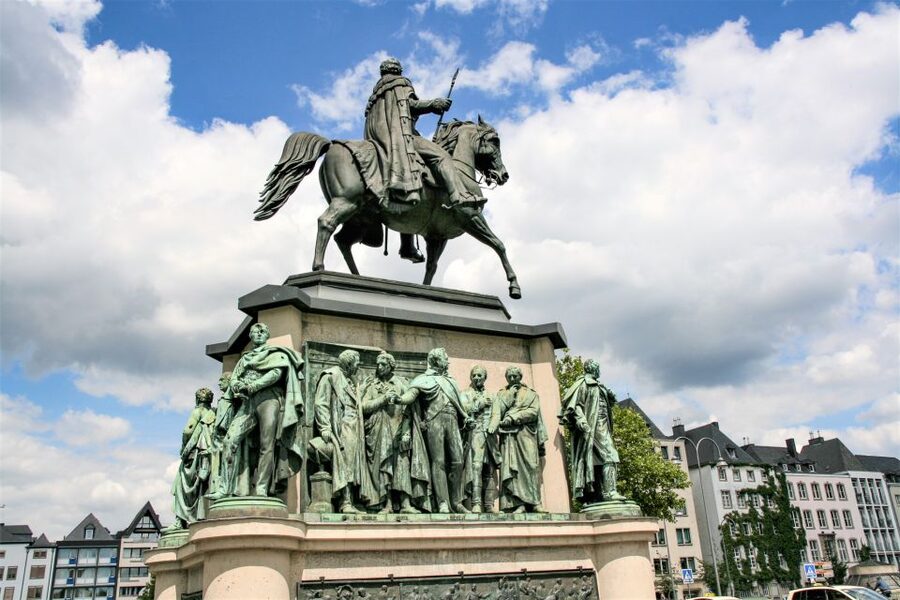
The meeting point is the equestrian monument on Heumarkt, a useful place to begin because the square sits close to the old town and the Rhine. If an event occupies the square, meet at the corner of Heumarkt and Gürzenichstraße instead.
From the start, the guide frames Cologne as a city with about 2,000 years of history. That broad timespan is more than a slogan here. The route connects Roman beginnings with medieval power, religious authority, trade, war, and reconstruction. I like this approach because it gives you a way to read the streets as you walk, rather than treating each building as an isolated photo stop.
You should expect a walking talk rather than a formal museum visit. The guide leads you through public streets and squares, pointing out the important places and explaining why they matter. That makes the tour a good first activity in Cologne, especially if you want help getting your bearings before spending more time at the cathedral, museums, or Rhinefront.
The local angle is part of the appeal. The guide does not only explain stones and dates. You also hear about Cologne’s particular mentality, described as cheerful and open to visitors. That human element can help you understand why the city feels different from a simple collection of historic monuments.
A few more things to do in Cologne worth a look
- Cologne: Guided Highlights Tour with a Local
★ 4.5 · 975 reviews - Cologne: 3-Hour Guided Bike Tour
★ 4.8 · 878 reviews - Melaten Friedhof: Guided tour with all senses
★ 4.8 · 709 reviews
Fischmarkt and the old town’s narrow streets
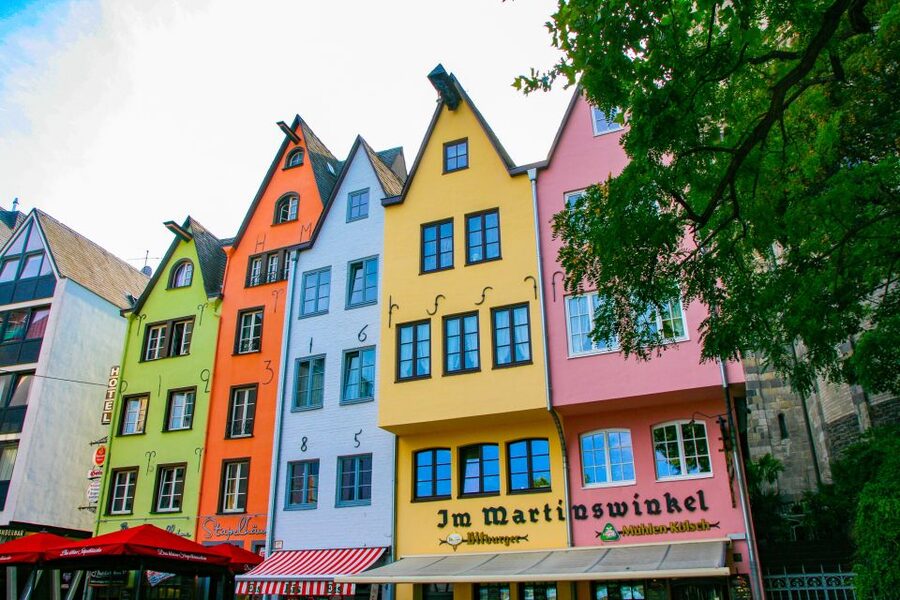
The route continues toward Fischmarkt, one of the old town’s notable areas. Here, the appeal is less about one grand sight and more about the way the streets bring Cologne’s past into view. Narrow lanes, old façades, and the river-city setting give the walk a more intimate scale than the large cathedral plaza.
I find this part useful because it slows the pace. Cologne’s cathedral is the obvious headline, but the old town around it supplies the context. The smaller streets help you picture the medieval city as a place of merchants, craftsmen, religious institutions, and ordinary movement between market areas.
The guide also traces the marks left by different groups across the city’s past. You hear about Romans and Frenchmen, monks and bishops, as well as powerful medieval merchants. These subjects matter because Cologne was shaped by more than one ruling force. Its identity grew from trade, religion, politics, and its position along major routes.
Do not expect a quiet, untouched medieval quarter. The city was badly damaged during the war and later rebuilt. That means the old town includes both historic survivals and reconstructed streets. A good guide helps you notice that difference instead of treating every old-looking building as unchanged.
Groß St. Martin and the city’s religious power
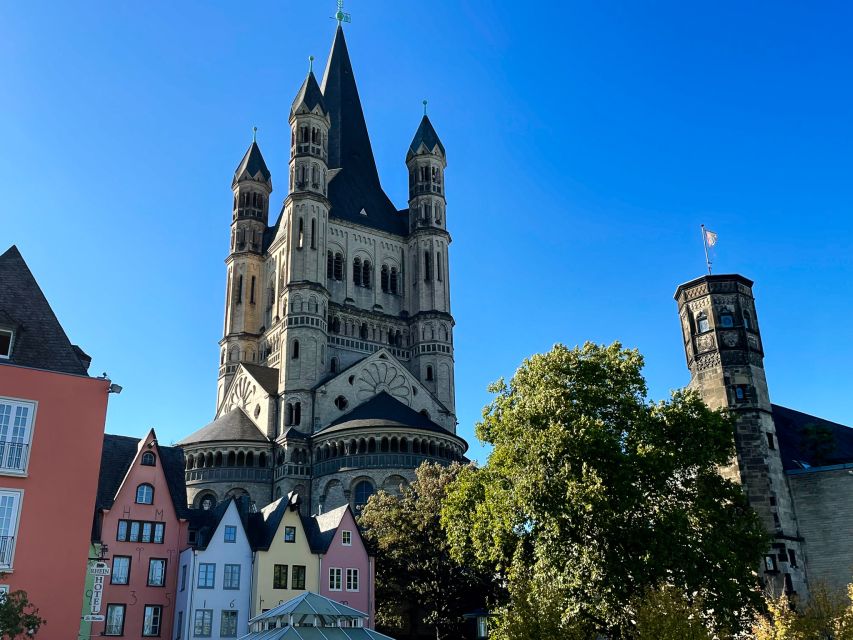
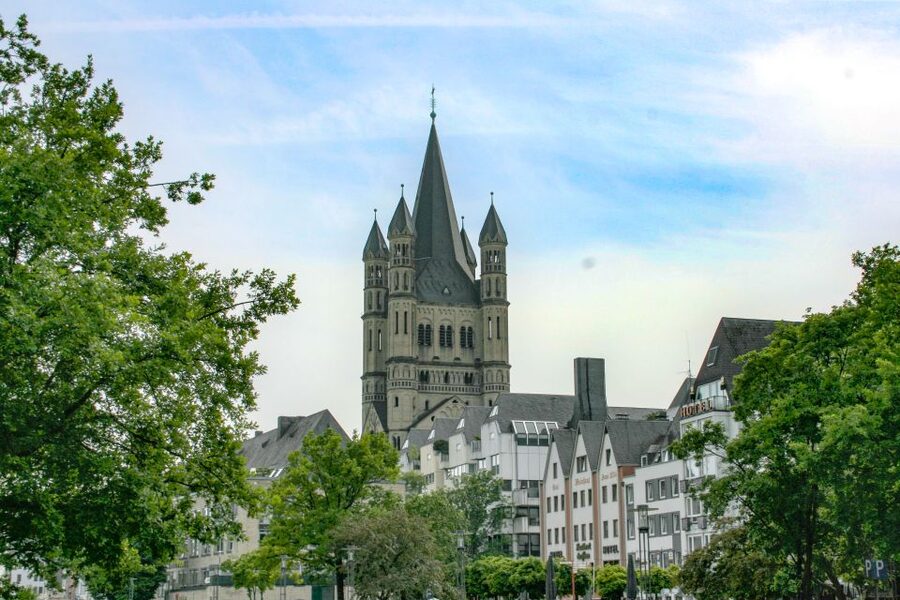
Groß St. Martin is one of the key sights on the route. Its large Romanesque form gives the old town a strong visual marker, and its position near the historic center makes it an important stop when discussing Cologne’s religious past.
The walk places the church within a larger story about bishops and monks. Cologne’s history was not driven only by merchants and civic officials. Religious leaders held major influence, and churches helped shape both the skyline and the city’s political life.
I appreciate that the tour connects architecture with power. A church is not just a pretty building to photograph. Its size, position, and history can tell you something about the people and institutions that once controlled city life. The guide’s job is to make that connection clear during the walk.
The supplied information does not promise an interior visit, so you should plan on seeing Groß St. Martin from the route rather than expecting a guided church entry. That is important if you want a tour built around interiors, art, or detailed architectural study. This experience is more about the city as a whole.
Alter Markt and the historic town hall
From the old streets, the route reaches Alter Markt and Cologne’s historic town hall. These stops shift the focus from church authority to civic and commercial life.
Alter Markt helps explain the role of markets and merchants in the medieval city. The square also gives you a sense of how public life once gathered around trade, administration, and meeting places. The walk’s strength is the link between these functions. You are not simply ticking off a square, a church, and a town hall. You are following the changing balance between religious and secular power.
The historic town hall adds another chapter. It represents the city’s civic identity and the role of local government. In a short tour, this kind of stop is valuable because it broadens the story beyond Cologne Cathedral. You learn that the city was shaped by municipal life as well as by bishops and religious buildings.
If you enjoy asking questions, this may be one of the best parts of the experience. One recent guide, Markus, was specifically praised for answering questions beyond the immediate subject. That suggests a useful flexibility for people who want to connect the walk with a wider interest in Cologne’s history.
Same base, a different kind of day out:
- Cologne: Panoramic City Cruise
★ 4.3 · 5,698 reviews - Cologne: Brewery Tour with 3 Kölsch Beer Tastings
★ 4.7 · 3,108 reviews - Cologne: Top Sights Rhine River Cruise – Skyline Tour
★ 4.4 · 3,030 reviews - Cologne: Chocolate Museum Entrance Ticket
★ 4.4 · 2,790 reviews
Approaching the cathedral through history
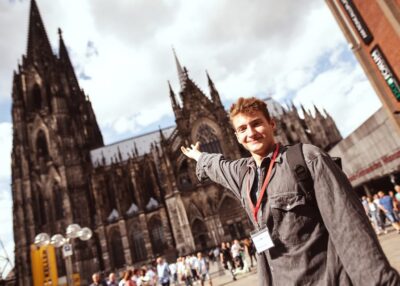
The final major focus is Cologne Cathedral, one of the city’s most recognizable sights. The walk explains its architecture and history as part of the surrounding old town, rather than dropping you in front of it without context.
That setting matters. The cathedral is so large and famous that it can overwhelm the rest of Cologne. Arriving at it after walking through Heumarkt, Fischmarkt, Groß St. Martin, Alter Markt, and the town hall gives you a better sense of the city around it.
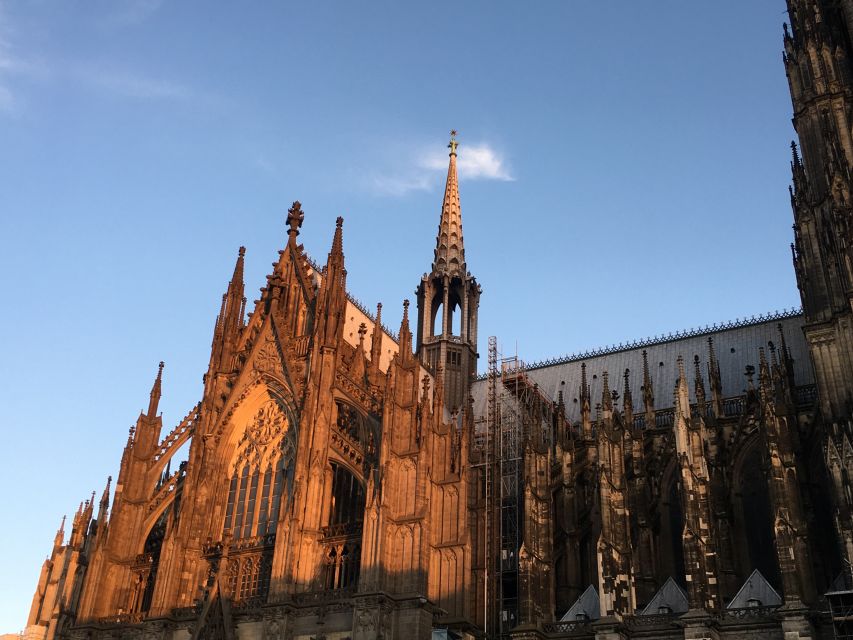
You can expect discussion of the cathedral’s magnificent architecture and its place in Cologne’s story. The information provided does not include an interior visit, tower climb, or entry ticket, so you should treat this as an exterior and historical introduction. If you want to go inside, you will need to arrange that separately.
I like the timing here. Two hours is long enough to build a narrative, but short enough to leave room for your own cathedral visit afterward. You can use the guide’s explanations as a foundation, then return to the cathedral with a clearer idea of what you are looking at.
Seeing war damage and postwar rebuilding
One of the more valuable parts of the walk is its attention to destruction and reconstruction. Cologne’s historic center was heavily damaged during the war, and the present city reflects both what survived and what was rebuilt.
This adds needed honesty to the old-town experience. A postcard view can suggest that Cologne simply preserved its past, but the city’s story is more complicated. The guide points out the effects of war and explains how Cologne was rebuilt afterward.
For you, the practical value is visual. Once you know to look for the contrast between older remains and postwar reconstruction, the streets make more sense. You can appreciate the historic architecture while also recognizing that parts of the setting are modern recreations or later repairs.
This subject also keeps the tour from becoming a string of cheerful sightseeing stops. Cologne’s history includes loss, disruption, and recovery. A balanced walk should cover all three.
What the guides add to the walk
The experience includes an experienced local guide, and the quality of the guide matters a great deal on a history walk. A two-hour route can either feel like a list of facts or a connected story.
Markus is identified as a guide who brings clear enthusiasm for history and welcomes questions outside the main topic. That is useful if you want more than a memorized speech. Angelika is described as friendly and funny, which may suit you if you prefer a lighter presentation alongside the historical material.
The guide language is German. I would book this confidently if you understand German well enough to follow a live explanation in a noisy outdoor setting. If you do not, the tour may still show you the route and landmarks, but you will lose much of its main value, which is the spoken historical context.
The experience is not presented as a private tour, and no group size is given. You should therefore avoid assuming a personal guide or a fully customized route. The best expectation is a scheduled public walk with room for questions when conditions allow.
Is two hours the right length?
For a first look at Cologne, two hours is a sensible length. It covers the central old town without taking up an entire morning or afternoon. You get a structured introduction, then you can decide which places deserve more time.
The length also keeps the focus sharp. A longer city walk might add more neighborhoods, but it could leave you tired or overloaded with names. This route stays with major historic locations and the cathedral area.
You should still wear comfortable shoes. The route moves through old-town streets and squares, and the activity requires walking for the full two hours. Weather-appropriate clothing is equally important because the experience takes place outdoors.
The schedule depends on availability, so check the starting times that apply to your date. The meeting point is central, but an event on Heumarkt can change the exact corner where you meet.
The $16 price and who gets good value
At $16 per person, this is a low-cost way to add structure to your first hours in Cologne. The value comes from the guide’s explanations, not from included entry tickets or transport. You are paying for a local walking narrative that links several major places.
I would especially consider it if you have limited time, want a quick orientation, or enjoy history but prefer someone to connect the pieces for you. It can also work well at the start of a city break, before you return to the cathedral or old town on your own.
The price is less compelling if you already know Cologne well or want a specialist architecture tour. It may also be poor value for anyone who cannot follow German, since the language limits access to the central content.
Booking is flexible. You can reserve now and pay later, and cancellation is free up to 24 hours before the activity for a full refund. Those terms help if your Cologne schedule is still changing.
Who should book this Cologne walk?
I would choose this tour for German-speaking first-time visitors who want the main old-town sights in a compact format. It suits history-minded people, couples, families with older children, and anyone who prefers a guided introduction before exploring independently.
It is also a good match for people who like a local voice. The walk includes Cologne’s people and personality, not only its buildings. A guide such as Angelika can add humor, while someone like Markus may appeal to you if detailed historical questions are part of the fun.
I would hesitate if you need English, want to enter the cathedral during the tour, or prefer a private itinerary. The available information does not promise cathedral admission, a tower visit, or a choice of languages beyond German.
FAQ
Where does the Cologne city highlights tour meet?
Meet at the equestrian monument on Heumarkt. If an event is taking place on the square, meet at Heumarkt at the corner of Gürzenichstraße.
How long does the walking tour last?
The tour lasts two hours.
What language is the tour in?
The live tour guide speaks German. German is the only language specified for this experience.
Which places are included on the route?
The route goes from Heumarkt to Fischmarkt, past Groß St. Martin, through Alter Markt, and by the historic town hall before focusing on the area around Cologne Cathedral.
Does the tour cover Cologne’s full history?
The walk covers about 2,000 years of history, including Romans, bishops, merchants, craftsmen, monks, French influence, wartime destruction, and postwar rebuilding.
Is entry to Cologne Cathedral included?
The information provided describes the cathedral’s architecture and history but does not state that interior entry, a tower visit, or an admission ticket is included.
What should I bring?
Wear comfortable shoes and clothing suited to the weather.
Can I cancel the booking?
You can cancel up to 24 hours in advance for a full refund. You can also reserve now and pay later.
Just added in Cologne
- The rather unknown Melaten★ 4.9 · 26 reviews
- Rickshaw Glühwein Ride★ 4.6 · 24 reviews
- Informative and fun brewery tour in German, public★ 4.9 · 47 reviews
- Public brewhouse tour Cologne in English★ 4.9 · 154 reviews
- Private photoshoot in Cologne★ 5.0 · 5 reviews
- Cologne: Old City Guided Walking Tour★ 4.9 · 63 reviews
- Cologne-Nippes: wine hopping (wine trip)★ 4.9 · 7 reviews
- Köln Ehrenfeld: Street Art und Graffiti Tour Walls of Wonder★ 5.0 · 70 reviews
Tours in Cologne, compared.
Virtual Reality Time Travel Experience Ticket
Read our review →
The Night Watchman Old Town Walking Tour in German
Read our review →Browse the lists this tour appears in