
Reviewed · GERMANY
EUMETSAT – weather data for the world “made in Darmstadt”
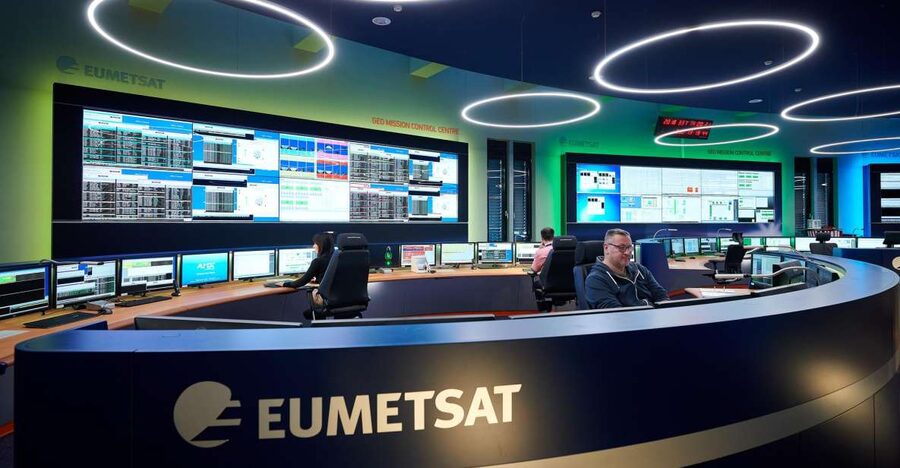
EUMETSAT turns weather from something you simply check into something you can understand. At its Darmstadt headquarters, a German-speaking guide explains how meteorological satellites collect the information behind daily forecasts and climate studies, with full-size satellite models providing the clearest visual highlight.
I like two things here: you get a rare look at the machinery behind familiar weather maps, and the tour connects space technology to practical questions about climate change and global warming. The main drawback is simple: the tour is in German, and strict security rules mean you must pre-register, show an accepted identity document, and leave large bags at home.
Key points to know before you book
- Full-size satellite models: See meteorological spacecraft at or close to their actual scale, an unusually clear way to understand their size and purpose.
- Weather data with a wider purpose: Learn how satellite information supports forecasts, climate measurements, and research into global warming.
- A working European organization: EUMETSAT has operated from Darmstadt since 1986, running its meteorological satellite system around the clock.
- A 1.5-hour guided visit: The tour gives you enough time for explanations and satellite displays without taking up an entire day in Darmstadt.
- German-language presentation: You need to be comfortable following a live tour in German, as no other language is listed.
- Strict entry rules: Bring a passport or identity card, wear the visitor ID provided, and do not bring large luggage, backpacks, or baby carriages.
Why EUMETSAT matters beyond the daily forecast
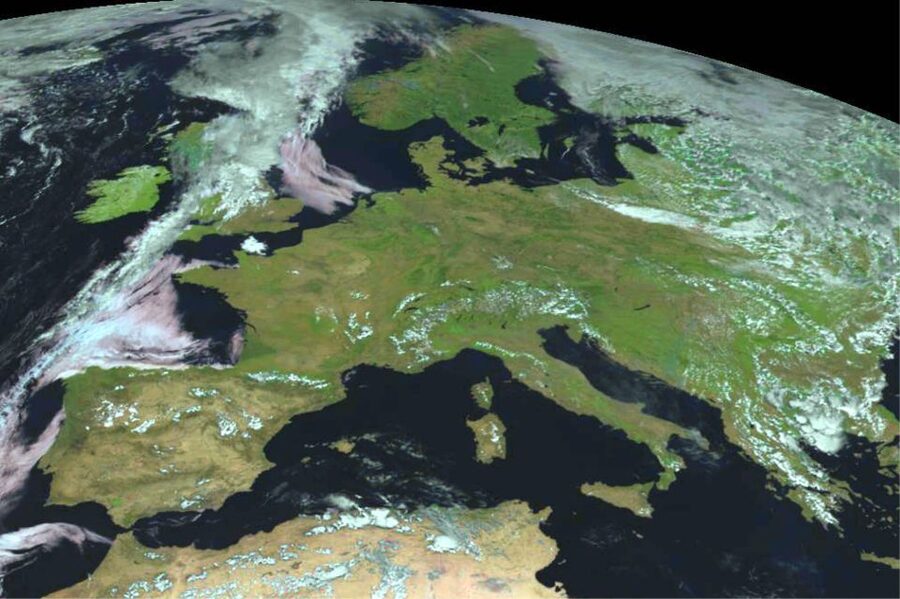
Most weather forecasts look simple on a phone: a temperature, a cloud symbol, perhaps a line of rain. Behind that short display is a constant stream of observations from satellites, ground systems, and forecasting services.
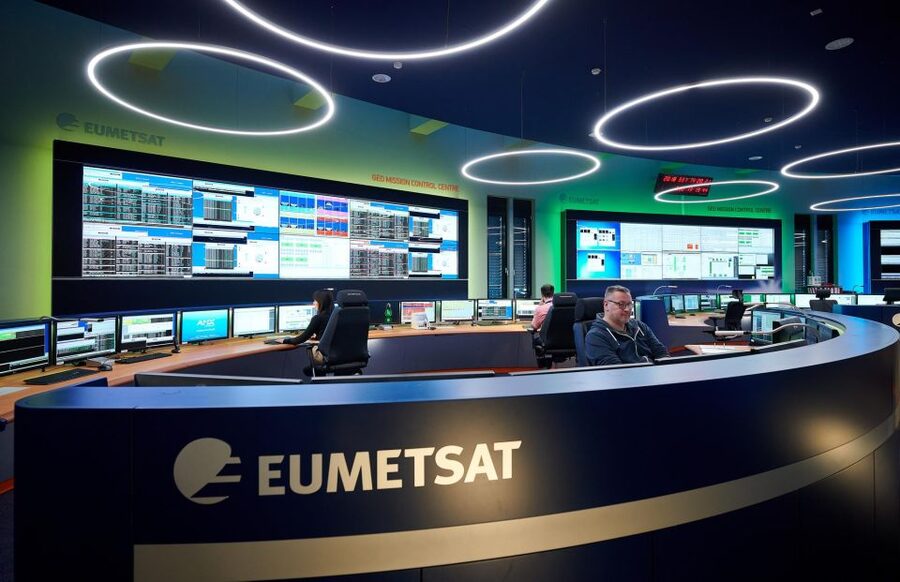
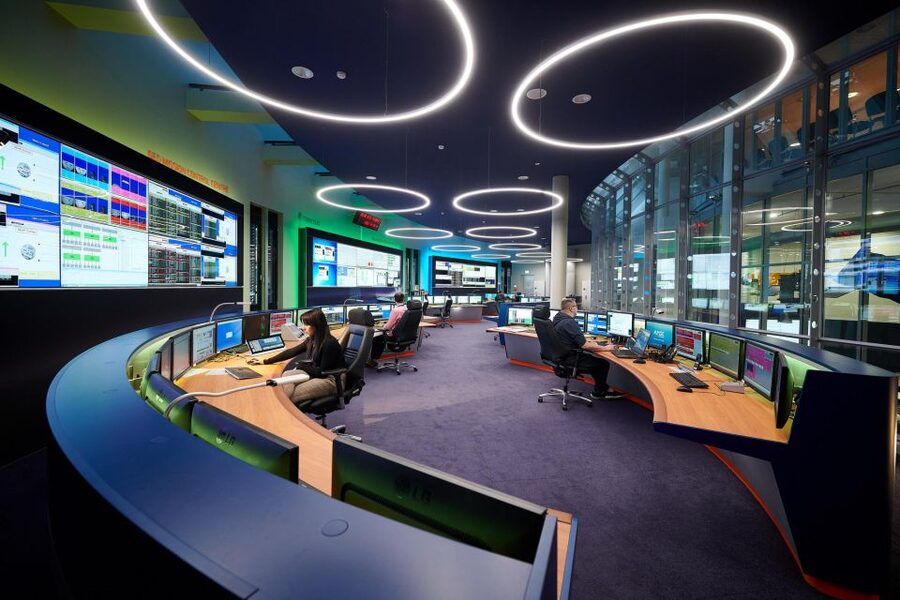
EUMETSAT helps operate the European system that supplies meteorological satellite data. Its headquarters in Darmstadt has done this since 1986. The work continues 24 hours a day, 365 days a year, so the organization is not only a museum-like stop or a display of old spacecraft. It is a working European institution tied to the weather information you use every day.
That connection gives this tour its value. You are not just looking at rockets or space hardware. You are learning why satellites matter after launch, when their data begins helping people understand clouds, storms, temperatures, and long-term changes in the atmosphere.
The same data used for ordinary forecasts also supports measurements of climate change and global warming. That makes the visit useful for anyone who wants a clearer link between space science and environmental questions. You leave with a better sense of why meteorological satellites are practical tools, not distant science-fiction objects.
Other trips people book in Germany:
- Berlin: Reichstag, Dome and Government District Guided Tour
★ 4.7 · 18,288 reviews - Berlin: 1-Hour City Tour by Boat with Guaranteed Seating
★ 4.3 · 16,993 reviews - Hamburg: Sex and Crime in St. Pauli Tour for Ages 18+
★ 4.7 · 15,447 reviews
The visitor gate at EUMETSAT-Allee 1
Your meeting point is the visitors’ gate at EUMETSAT-Allee 1. Treat this as a controlled institutional visit, not a casual museum admission. Everyone must be pre-registered with Darmstadt Marketing, and the required information includes each participant’s full name and nationality.
Security is a major part of the arrival process. You must present a valid passport or identity card. The document is checked for authenticity and retained for the duration of your stay, so do not plan to use it for another purpose during the tour.
A driving license, residence permit, health insurance card, or similar document does not count as proof of identity. The safest choice is to bring the passport or national identity card that you used for registration.
You also receive a visitor ID, which must be worn visibly throughout the visit. The rules may feel formal, but they are worth knowing before you arrive. If you turn up with the wrong document or an oversized bag, the problem will occur before the science tour even begins.
Large bags and backpacks are not allowed. Baby carriages are also prohibited. Travel light, and if you are visiting Darmstadt with luggage, arrange storage elsewhere before coming to the gate. EUMETSAT’s security service can refuse entry to anyone who does not cooperate with the rules.
Seeing satellite hardware at human scale
The satellite models are likely to be the most memorable part of the visit. Pictures of spacecraft can make them look tidy and small. Full-size models correct that impression quickly. You can see the proportions of the structures and get a much better idea of the hardware required to observe weather from orbit.
Some of the models are presented in one-to-one scale. That matters because the physical size helps explain why satellites are complex machines rather than simple cameras pointed at Earth. Their instruments, panels, and supporting structures have to work reliably in a difficult environment while sending useful information back to the ground.
The tour is guided, so the models are not left to speak for themselves. Your guide can explain what you are seeing and answer questions as the group moves through the site. One useful strength of this format is the chance to ask about the practical side of satellite work, rather than simply reading labels on a display.
The German-language guide is described as able to answer questions about the subject in detail. If you have a specific interest in weather forecasting, satellite design, climate monitoring, or the way data is used, prepare a few questions before you arrive. That will help you get more from the fixed 1.5-hour schedule.
Do not expect a general space museum with a large collection of unrelated spacecraft. The focus is narrow and purposeful: meteorological satellites and the information they provide. That focus is good if you want substance about weather observation, but less suitable if your main interest is human spaceflight, astronauts, or rocket launches.
From satellite observation to weather forecasts
A key part of the explanation is the path from satellite observation to useful weather information. EUMETSAT operates a system of meteorological satellites, and its data supports the forecasts you check before heading out for the day.
The tour can help you think about weather forecasts as the end of a long chain. Satellites observe conditions from above, the information is processed and shared, and meteorological services use it to build forecasts. The short result on your phone hides the constant technical work behind it.
That is where the visit becomes more than a display of impressive machinery. A satellite model gives you the physical object, while the guide explains why the object matters. You can connect the panels and instruments to the cloud cover, rainfall, or temperature information that appears in everyday forecasts.
The tour also covers a longer timescale. Satellite data helps measure climate change and global warming, not just tomorrow’s weather. Forecasting asks what conditions may develop soon. Climate work looks for patterns over much longer periods. Understanding that difference adds useful context to the visit and helps you see why the same observation system can serve both daily planning and scientific study.
Because the tour lasts 90 minutes, expect an introduction rather than a full technical course. The experience works best when you want a clear, guided explanation of the subject, with physical models to make the ideas easier to grasp.
Same base, a different kind of day out:
- Hamburg: 1.5-Hour Harbor and Speicherstadt Day Cruise
★ 4.6 · 14,200 reviews - From Munich: Neuschwanstein & Linderhof Castle Full-Day Trip
★ 4.5 · 12,494 reviews - Dresden: Semperoper Tickets and Guided Tour
★ 4.7 · 12,102 reviews - Berlin: Boat Tour Along the River Spree
★ 4.4 · 11,252 reviews
A partly outdoor route, so dress for Darmstadt weather
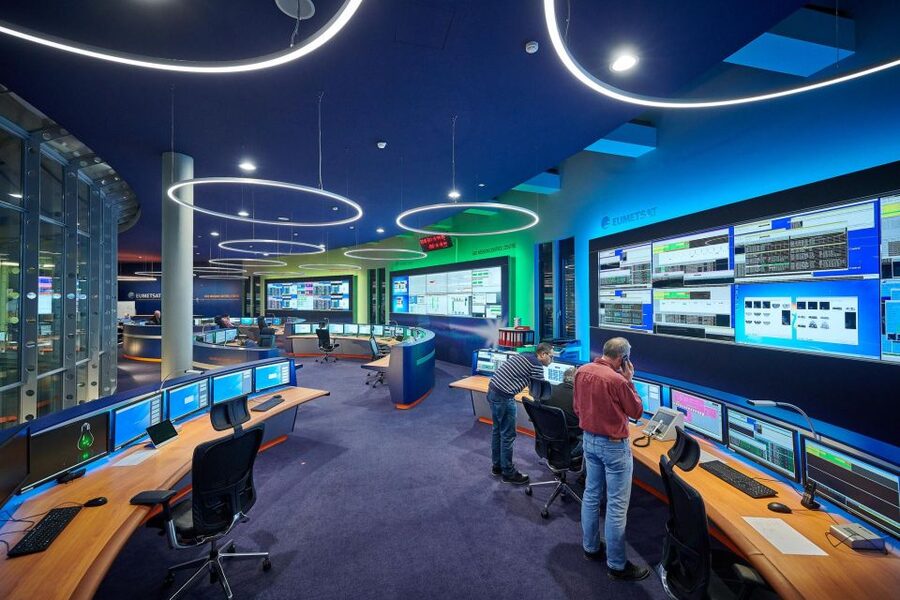
The guided visit takes place partly outdoors. That affects what you should wear, especially if you are visiting during a cold, wet, or hot spell. Choose sensible clothing and shoes, and check the weather before setting out.
This outdoor element can make the satellite models more impressive because you see their scale in open space rather than only in a small indoor room. It also means comfort depends partly on the conditions on the day. The tour is not designed as a fully indoor museum visit.
The site is wheelchair accessible, which is an important practical advantage. Still, accessibility does not remove the need to prepare for outdoor portions. If you use a wheelchair, consider the forecast and dress for the full visit, not just the time spent inside.
You must remain with the visitor group throughout the tour. You cannot leave the group to explore independently, and you must follow the instructions of the security staff. Think of the visit as a supervised institutional tour with a fixed route, not an open campus visit.
What the 1.5-hour format gives you
Ninety minutes is a sensible length for this subject. It gives the guide time to explain EUMETSAT’s work, show the satellite models, and take questions without turning the experience into an all-day commitment.
I like this timing for a Darmstadt sightseeing plan. You can pair the tour with other city activities rather than building your whole day around it. At the same time, the subject is technical enough that a very short visit would feel rushed. The 1.5-hour format leaves room for context.
The exact order of the presentation can depend on the guide and the group, so you should not expect a detailed public timetable for each stop. The reliable structure is a guided visit through the EUMETSAT site, with satellite models, explanations of the organization’s work, and some outdoor walking.
A strong part of the experience is the question period. The guide can respond to the group’s interests, and the German-language presentation allows more room for explanation than a silent display would. If you only want to snap a few space photographs, this tour may feel too slow. If you enjoy understanding how systems work, the pace should suit you.
Who should book this EUMETSAT visit?
This is a good choice for science-minded visitors, students aged 12 or older, families with older children, and anyone curious about the technology behind weather forecasts. It also suits people interested in climate measurement who want a concrete example of how satellites contribute to long-term research.
The minimum age is 12, so younger children cannot join. That rule makes sense given the security setting and technical subject, but it limits the tour for families with small children. Baby carriages are not allowed either.
You should also choose this experience only if you can follow German. The live tour is listed in German, and no English-language option is provided. An interest in the subject will not fully compensate for missing the guide’s explanations.
The tour is less suitable if you dislike strict security procedures. Your identity document is retained during the visit, large bags are forbidden, visitor IDs must remain visible, and you must stay with the group. These are not minor suggestions. They are conditions of access.
Is $17 a fair price?
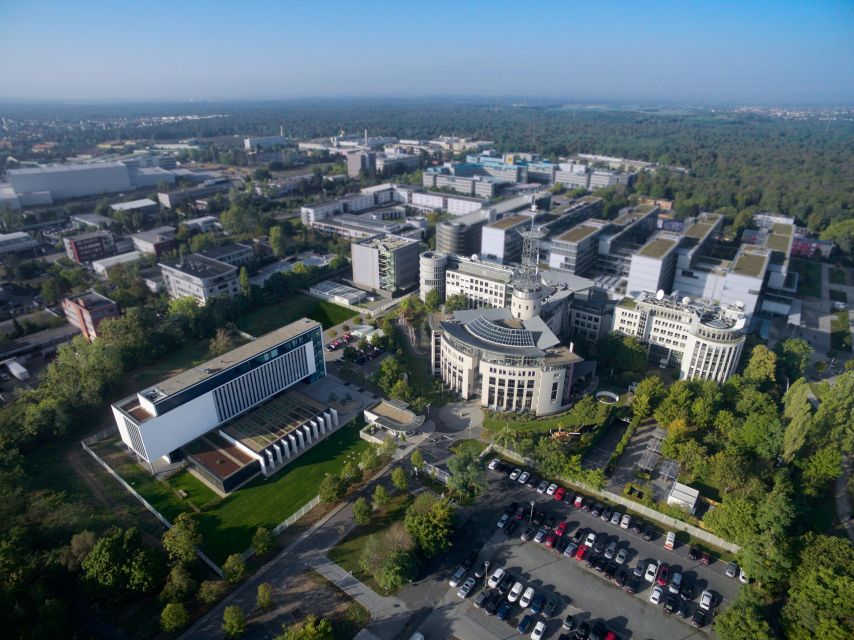
At $17 per person, the tour offers good value if you care about science, weather, or space technology. The price pays for a guided visit to a working European organization and access to full-size satellite displays that you are unlikely to encounter in an ordinary city museum.
The value is less obvious if you are looking for a broad tourist attraction. There is no indication of a large public exhibition, multiple languages, or a range of space-themed activities. This is a focused 90-minute visit, and its appeal depends heavily on your interest in meteorological satellites.
I would compare the cost with the quality of the access rather than the length alone. A 1.5-hour tour can feel expensive if it is only a quick walk past models. Here, the guide’s explanations and the chance to ask questions add the substance. The one-to-one satellite models also give you something physical to study, not just a talk about an unseen technical system.
The tour allows free cancellation up to 24 hours before the start for a full refund, and you can reserve now and pay later. Those terms make it easier to fit the visit into a changing Darmstadt schedule.
Practical rules that can make or break the visit
Prepare these points before you book:
- The minimum age is 12.
- All participants must be pre-registered with Darmstadt Marketing.
- The registration requires each person’s full name and nationality.
- Bring a valid passport or identity card.
- Driving licenses and residence permits are not accepted as identity documents.
- Large bags, backpacks, and baby carriages are not allowed.
- Visitor IDs must be worn visibly.
- You must stay with the group.
- The tour is partly outdoors, so dress for the weather.
- The tour is conducted in German.
- The site is wheelchair accessible.
If you are traveling with a group, gather everyone’s details before making plans. Missing nationality or full-name information could complicate registration. Also make sure each person understands the identity-document rule, especially teenagers and other younger members of the group.
Keep your schedule flexible around the 90-minute visit. The security check and meeting process are part of entering a restricted working site, so arriving prepared is more useful than arriving with extra luggage or loose plans.
Should you book the EUMETSAT tour?
Book this tour if you want to understand the machinery behind weather forecasts, see satellite models at full scale, and learn how the same data supports climate research. The $17 price is reasonable for a focused, guided science experience, especially if the subject already interests you.
Skip it if you need an English-language tour, are traveling with children under 12, or want a relaxed walk-in museum with no security formalities. The German presentation and strict entry rules are real limits.
For the right audience, EUMETSAT offers an uncommon look at the practical side of space science. You come for the satellites, but the larger lesson is how closely orbiting technology is tied to ordinary life on the ground.
FAQ
Where does the EUMETSAT tour meet?
The meeting point is the visitors’ gate at EUMETSAT-Allee 1 in Darmstadt, Hessen, Germany.
How long does the tour last?
The guided tour lasts 1.5 hours.
What language is the tour in?
The live tour guide presents the experience in German.
What is the minimum age?
Children under 12 cannot take part. The minimum age is 12.
Do I need identification?
Yes. Bring a valid passport or identity card. Driving licenses, residence permits, and health insurance cards are not accepted as proof of identity.
What happens to my identity document during the visit?
The document is checked for authenticity and retained for the duration of your stay. It is returned after the visit.
Can I bring a large bag or backpack?
No. Large bags and backpacks are not allowed. Baby carriages are also prohibited.
Is the tour wheelchair accessible?
Yes, the EUMETSAT tour is listed as wheelchair accessible.
Can I cancel or pay later?
You can cancel up to 24 hours in advance for a full refund. A reserve-now, pay-later option is also available.
Just added in Germany
- Romantic Berlin Rickshaw City and Photo Tour – incl. pick-up★ 4.0 · 9 reviews
- Private taxi tour to Potsdam and Sanssouci 6-8h★ 5.0 · 30 reviews
- Moonshine Comedy – English Stand Up Comedy by the bay★ 5.0 · 11 reviews
- Berlin Protest History Tour: Rebels, Resistance, and Revolution★ 5.0 · 7 reviews
- Private Half-Day Berlin Sightseeing Tour with a Minivan Including Short City Walks★ 5.0 · 31 reviews
- One Up to 3 Rickshaws(6 GUESTS)-Taylor Made Rickshaw Berlin Tour★ 5.0 · 20 reviews
- Berlin Private Custom Walking Tour With A Guide (Private Tour)★ 4.5 · 8 reviews
- Private tour of Berlin★ 5.0 · 15 reviews