
Reviewed · GERMAN-LANGUAGE TOURS
München: Stadtführung Henker, Huren, Hexen in GERMAN
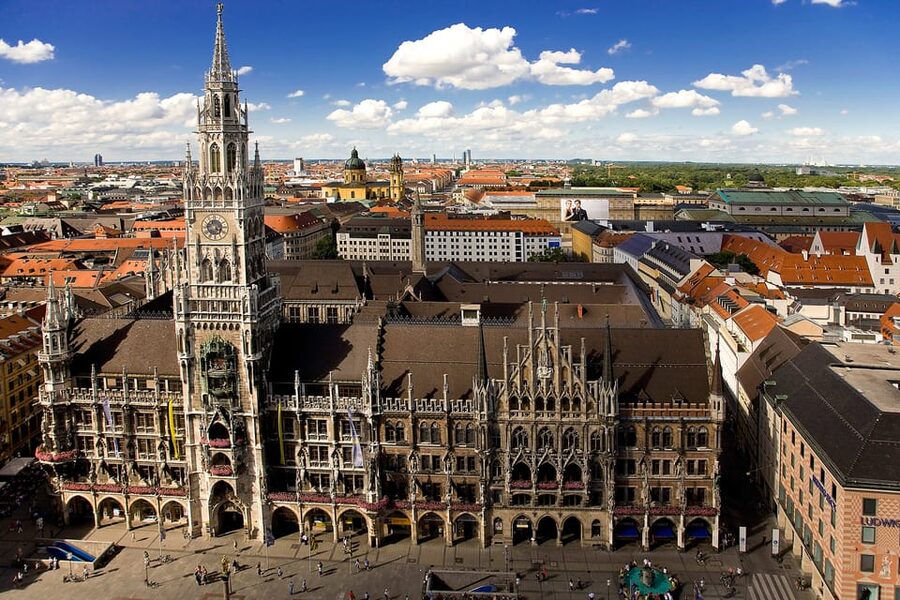
Munich’s old center has a darker side than its beer halls suggest. This two-hour German-language walk links executioners, prostitutes, witch hunts, torture, and church power through places such as Neuhauser Tor, St. Michael’s Church, the Frauenkirche, and Alter Hof.
I like the route’s clear theme and its mix of serious history with funny anecdotes. I also like the choice between a shared group and a private tour, plus the modest price of $25. The main concern is sound: one previous group found a crowded city center, church music, and bells made much of the guide’s talk hard to hear.
Key points to know
- Neuhauser Tor begins the story: Learn where people accused of crimes were led out of Munich for execution.
- The salt road gives the walk a historical thread: Follow an old route toward the former Jesuit college and its connection to witch hunts.
- Churches appear in an unexpected role: St. Michael’s and the Frauenkirche help explain how religion and city authority shaped punishment.
- The tour is German only: You need enough German to follow a spoken walking tour.
- It runs in all weather: Wear comfortable shoes and bring suitable clothing.
- The mood is lively, not theatrical: Expect stories and explanation, but no actors or reenactments.
Munich’s darker story begins at Neuhauser Tor
Meet your guide under the Neuhauser archway. Look for the large blue bag marked with the white words Weis(s)er Stadtvogel. That is the practical detail that saves you from wandering around the entrance to the old city center looking for the right person.
The tour begins at the former Neuhauser Tor, one of the places connected with people being led out of Munich for execution. That opening gives the walk a firm focus. You are not simply looking at handsome old buildings and waiting for the guide to attach a story later. From the first stop, the subject is law, punishment, and the people who carried out the city’s harshest work.
The executioner occupied an unusual place in society. The job was necessary, but the person doing it was pushed to the edge of respectable life. The tour also examines the claim that Munich’s executioners could act as pimps, linking punishment and prostitution in a way that is both unsettling and memorable.
This is the kind of history that works best when you want more than dates and architectural labels. The stories show how city rules affected ordinary people, criminals, sex workers, accused witches, and officials. They also help explain why some people were kept outside the accepted social order even when the authorities depended on their services.
Other tours run in German:
- Munich: Old Town & Viktualienmarkt City Walk in German
★ 4.7 · 2,304 reviews - Munich: Night Watchman Torch Tour in German
★ 4.8 · 1,280 reviews - Munich: Spooky Tour of Old Town in German
★ 4.6 · 1,112 reviews
Along the old salt road to the Jesuit college
From Neuhauser Tor, the walk follows the historic salt road. Salt was an important trade good, so this route gives the tour a useful connection to Munich’s working life and movement through the city.
You then reach the former Jesuit college, where the subject turns toward witch hunts. This change in focus matters. The tour is not only about public executions or colorful tales of old Munich. It also asks how suspicion became official action, and how religious and civic institutions dealt with people accused of witchcraft.
The guide explains the reason the headquarters connected with this work were located outside the city. That question is one of the more interesting threads in the tour because it points to the practical and social boundaries of historic Munich. The city did not treat every necessary occupation as suitable for the center of civic life.
The route is walked at street level, with the guide talking as you move between stops. That means the quality of the experience depends partly on the group’s ability to hear. Keep close to the guide, especially in busy parts of the center. If you are booking a private tour, the format should make it easier to ask for a quieter spot or a short pause, though the supplied details do not promise a particular group size or route variation.
St. Michael’s Church and the power behind punishment
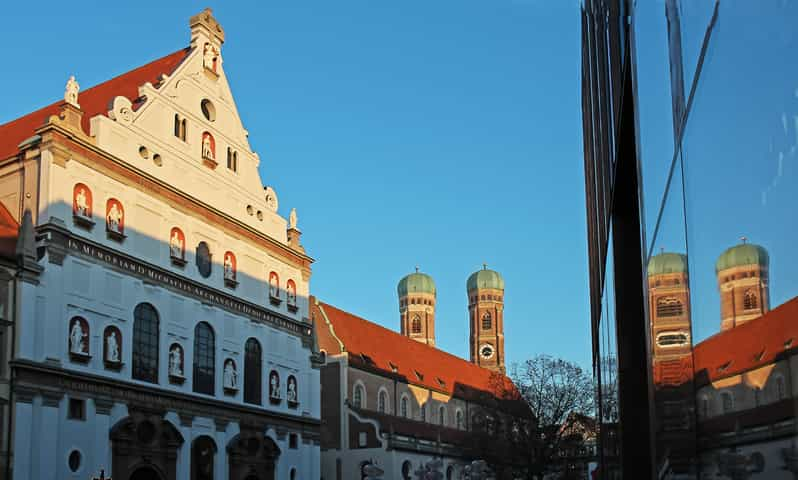
St. Michael’s Church is one of the tour’s key stops. Here, the guide uses the church and its setting to connect religious authority with the wider system of law and social control.
You should not expect a separate entrance visit. Entrance fees are not included, and the advertised experience is a guided walk rather than an interior sightseeing tour. The value comes from hearing how the place fits into the story of witch hunts, public order, and the institutions that shaped Munich.
The guide also adds anecdotes and lighter details. That balance is useful. A tour about torture and execution can become grim very quickly, but a good storyteller can make difficult subjects easier to follow without turning them into cheap entertainment.
The experience is in German, and this matters more here than on a simple photo walk. Much of the value sits in the explanations, wordplay, and connections between locations. If you only understand basic German, you may miss the central argument even if you can recognize the buildings.
One practical warning: the center can be noisy. A previous participant found the guide difficult to understand amid heavy foot traffic. At another point, a large choir rehearsal added to the problem. If hearing every word is important to you, stand close, ask politely when needed, and consider a private departure if that option suits your budget.
Frauenkirche brings the city center into focus
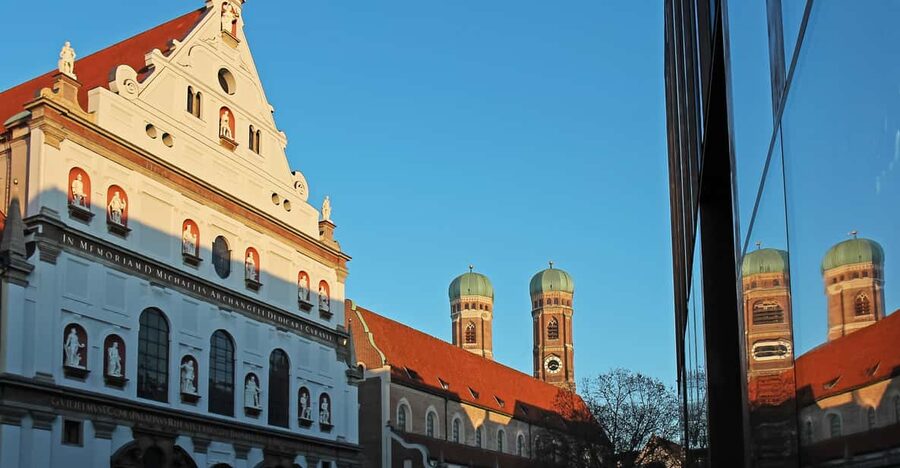
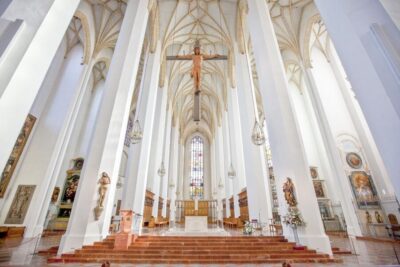
The Frauenkirche is one of Munich’s most recognizable sights, and the tour passes it while keeping the focus on the darker themes of the city’s past.
This is also where timing can affect the experience. One afternoon group found that church music and the 3 p.m. bells made it hard to follow the guide. That does not make the stop worthless, but it shows why a calm listening position matters. The guide may have strong historical knowledge, yet even the best explanation is lost if you are standing beside a ringing church tower.
The Frauenkirche stop can also feel less direct if you expect every part of the route to show a physical site tied unmistakably to executioners or prostitutes. The tour uses central churches and civic buildings to build context, and some links are interpretive rather than visible. You may hear where certain places once were without seeing them in their original form.
That is a fair limitation for a historic city walk. Munich has changed, and old sites do not always survive as open monuments. Still, you should book this experience for the guide’s account of the past, not for a series of preserved torture rooms or dramatic ruins. There are no actors, costumes, or staged scenes.
Same base, a different kind of day out:
- From Munich: Neuschwanstein & Linderhof Castle Full-Day Trip
★ 4.5 · 12,494 reviews - Neuschwanstein & Linderhof Castle-Fairytale Day Tour from Munich
★ 4.5 · 7,275 reviews - Munich: Third Reich & WWII Walking Tour
★ 4.6 · 6,181 reviews - Dachau Concentration Camp Memorial Site Tour from Munich by Train
★ 4.5 · 5,637 reviews
Alter Hof and the city’s older civic world
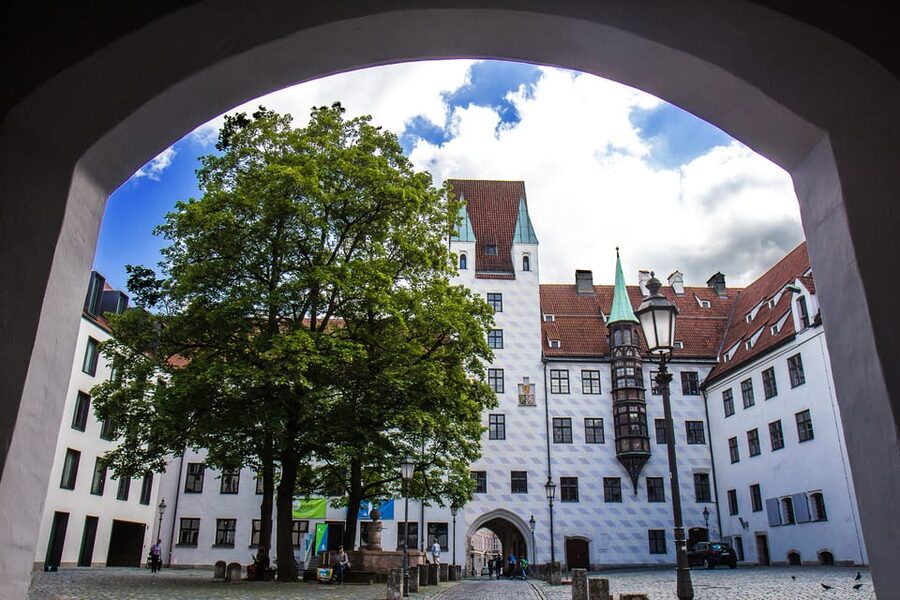
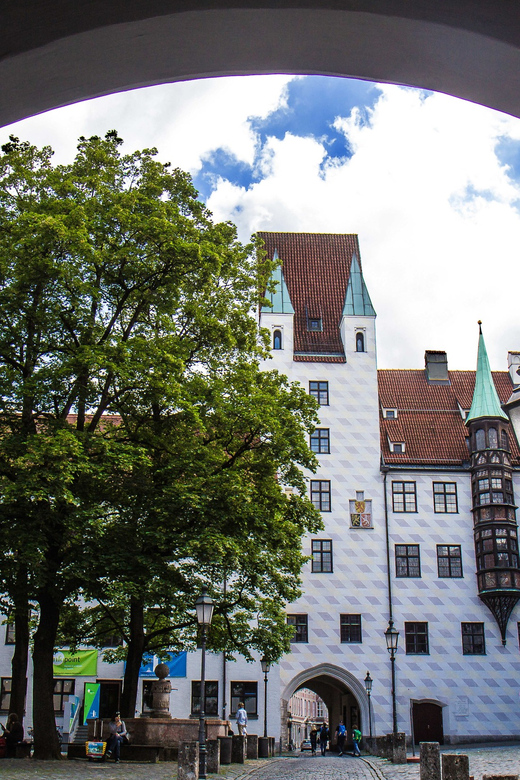
The route also passes Alter Hof, Munich’s Old Court. This stop adds a civic and political setting to the walk, moving the story beyond churches and execution sites.
The court helps frame the city as a place run through layers of authority. Punishment, trade, religious life, and social rules did not exist separately. The guide’s task is to show how those systems met in the old center, using the buildings around you as reference points.
I like this approach because it turns a standard central Munich walk into a lesson in how the city functioned. You still see major sights, but the guide asks you to look at them differently. A church becomes part of a system of authority. A gate becomes a route for people being expelled from the city. A court becomes part of the world that set and enforced rules.
The drawback is that the route may feel less graphic than the title suggests. The word Huren promises a strong focus on prostitution, yet one poor experience reported hearing very little about sex workers. The subject is meant to include why prostitution ended in the 1970s, but the amount of time given to it may depend on the guide, the group, and the conditions on the day.
How the stories connect executioners, pimps, and prostitutes
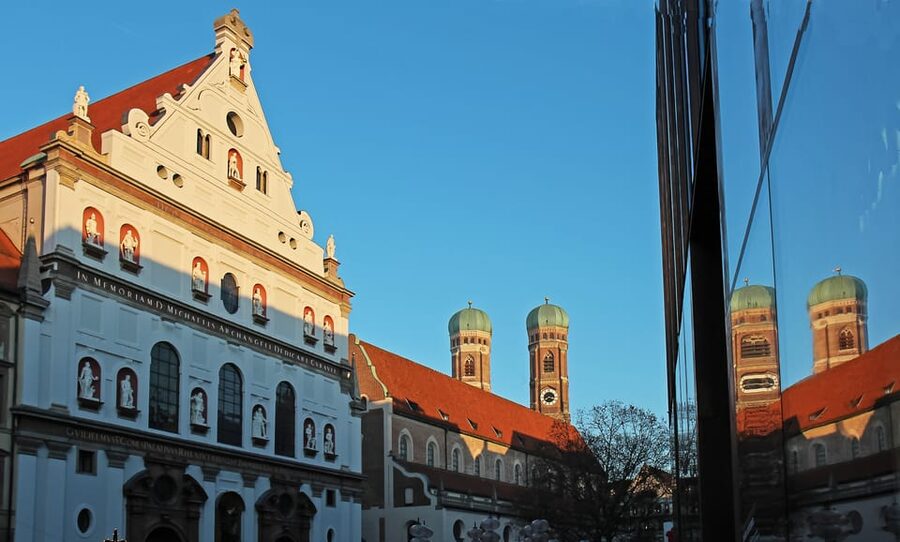
The central idea is that executioners, prostitutes, and witches shared a place outside polite society, even though the city’s institutions had dealings with all three.
The tour explains how executioners could also act as pimps, a detail that gives the title its unusual force. It also addresses why prostitution ended in Munich in the 1970s. That modern cutoff helps connect the medieval and early modern subjects to a more recent chapter of city life.
You should listen for the difference between documented facts, local tradition, and the guide’s interpretation. One dissatisfied participant felt some connections between the churches and the tour’s central theme were based on guesses rather than firm evidence. That is a useful caution, especially if you prefer academic history with clear sources at every step.
At its best, the tour uses an anecdote to open a bigger question: Who was allowed to belong in the city? Who could work there but not live near respectable citizens? Who had the power to accuse, punish, or exclude another person?
That makes the experience more useful than a simple collection of gruesome tales. You are encouraged to think about social rank and the practical systems behind public punishment. The tone is described as lively and the guides can be funny, but the material still deals with torture, execution, witch hunts, and prostitution.
What the two-hour format means for you
Two hours is a sensible length for this subject. It gives the guide time to explain several locations without turning the walk into an all-day history class.
You will be on your feet for the full tour, so comfortable shoes are important. The route takes place outdoors and continues in rain or shine. Munich weather can change quickly, and there is no promise of shelter during every explanation, so dress for the forecast rather than for the photographs you hope to take.
The tour is listed as wheelchair accessible, yet the same information says it is not suitable for people with mobility impairments. That is a direct contradiction. If you use a wheelchair or have trouble walking, contact the provider before booking and ask for the exact route, surfaces, stops, and pace. Do not rely on the general accessibility label alone.
Food, drinks, transport, pickup, drop-off, and entrance fees are not included. This is a walking tour, so plan to arrive at the meeting point independently and handle any refreshment stop yourself. The price is $25 per person, which is reasonable if you want two hours of guided context in central Munich and can follow German comfortably.
The private option may offer better value for a couple or small party that wants to ask questions. A shared tour makes more sense if you want the lower-cost way to hear the material and do not mind adjusting to the pace of a group.
Guide style, sound, and timing
The experience depends heavily on the guide. One guide named Julia received especially warm praise for keeping the mood high and handling the walk well even in poor weather. Another German-language group described its guide as friendly and well versed in the subject, but found the presentation hard to hear in the crowded center.
That contrast is important. A guide can be pleasant and well informed, yet the setting can still work against the talk. The Frauenkirche bells, choir music, traffic, and general city noise are not small details when every stop depends on spoken explanation.
Arrive early enough to locate the blue bag beneath the Neuhauser archway and position yourself near the guide. Stay attentive when the group moves, since the route may pass through busy pedestrian areas. If you miss a point, ask for it to be repeated rather than letting one lost detail turn into half an hour of confusion.
The walk takes place in German only. It is not a multilingual tour with a short German segment, so I would choose it only if you can follow a sustained spoken explanation. The lack of reenactments also means the guide’s language carries the experience. You are listening to history, not watching it acted out.
Who will get the most from this Munich walk
This tour suits you if you have already seen Munich’s main buildings and want a sharper, less polished look at the old city. It also works well as an early visit because the route introduces St. Michael’s, the Frauenkirche, Alter Hof, and the central streets while giving them a specific theme.
You will likely enjoy it most if you:
- Like social history more than museum displays
- Enjoy unusual stories about law, crime, religion, and city life
- Understand spoken German well
- Are comfortable walking for two hours in changing weather
- Prefer a guide’s explanation to actors or staged scenes
- Want the option of a private tour
I would choose another activity if you need an English-language experience, dislike grim subjects, or want to enter historic buildings. This is not a tour of interiors, and the price does not include admissions.
The title sets a strong expectation about prostitutes and executioners. Ask yourself how much you want a focused treatment of those subjects. The tour clearly includes them, but the time may also go toward churches, witch hunts, city institutions, and general anecdotes about Munich.
Should you book Henker, Huren, Hexen?
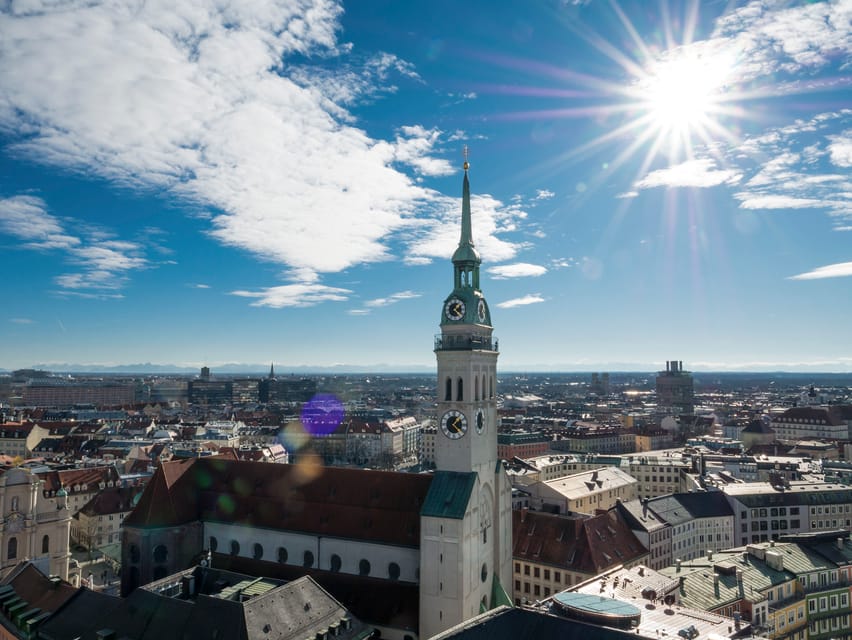
Book it if you want a two-hour German walking tour that connects Munich’s famous center with uncomfortable questions about punishment, exclusion, prostitution, and witch hunts. The $25 price is fair for a guided route through several major locations, especially if you value the stories more than entry tickets or dramatic staging.
I would lean toward a private tour if you need to ask many questions or want more control over sound and pacing. For a shared group, stay near the guide and avoid treating the tour as a quiet architectural walk. The best parts are spoken, and busy streets or church bells can get in the way.
The strongest reason to book is the unusual theme and the chance to hear how one city linked executioners, pimps, religious authorities, and people pushed outside respectable society. The strongest reason to hesitate is that the route may not deliver an equally detailed treatment of every part of its title.
FAQ
What language is the tour conducted in?
The tour is conducted in German. A live German-speaking guide leads the walk.
How long does the tour last?
The tour lasts two hours.
Where does the tour meet?
Meet the guide under the Neuhauser archway. Look for the large blue bag with Weis(s)er Stadtvogel written in white.
What places does the tour visit or pass?
The route includes St. Michael’s Church, the Frauenkirche, Alter Hof, Neuhauser Tor, the historic salt road, and the former Jesuit college.
Does the tour include actors or reenactments?
No. The tour uses a live guide and does not include actors or reenactments.
Is the tour available as a private experience?
Yes. You can choose between a shared group tour and a private tour.
What should I bring?
Bring comfortable shoes. The walk takes place outdoors in rain or shine.
Are food, drinks, transport, and entrance fees included?
No. Food and drinks, pickup and drop-off, and entrance fees are not included.
Just added in Munich
- Pub crawl incl. Oktoberfest museum guided tour with beer tasting (private)★ 5.0 · 5 reviews
- South Tyrolean specialties and wine tasting★ 5.0 · 5 reviews
- Short & sweet: Tasting the Viktualienmarkt★ 4.8 · 37 reviews
- Size Matters Beer Tour Munich★ 4.6 · 105 reviews
- Secret Food Tours Munich★ 4.8 · 5 reviews
- Munich: Romantic Wine Experience for Two at Viktualienmarkt★ 4.2 · 14 reviews
- Munich: Resistance against Hitler – Historical Walking Tour★ 5.0 · 5 reviews
- Residence of Munich private tour with skip the line ticket★ 5.0 · 4 reviews
German-Language Tours, compared.
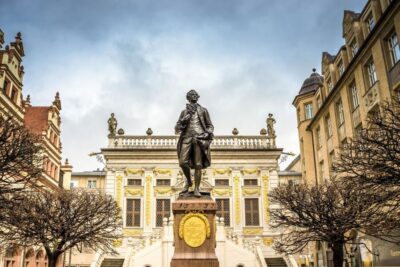
Old Town & Viktualienmarkt City Walk in German
Read our review →
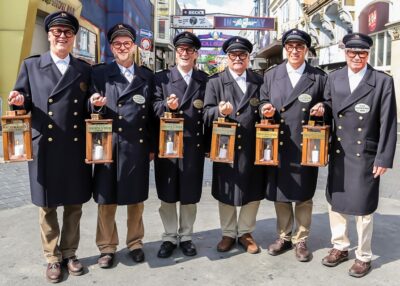
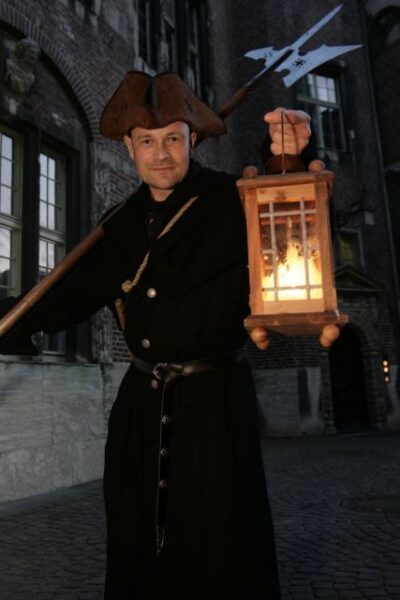
The Night Watchman Old Town Walking Tour in German
Read our review →
Browse the lists this tour appears in