
Reviewed · CYCLING TOURS
Munich: Street Art Bike Tour
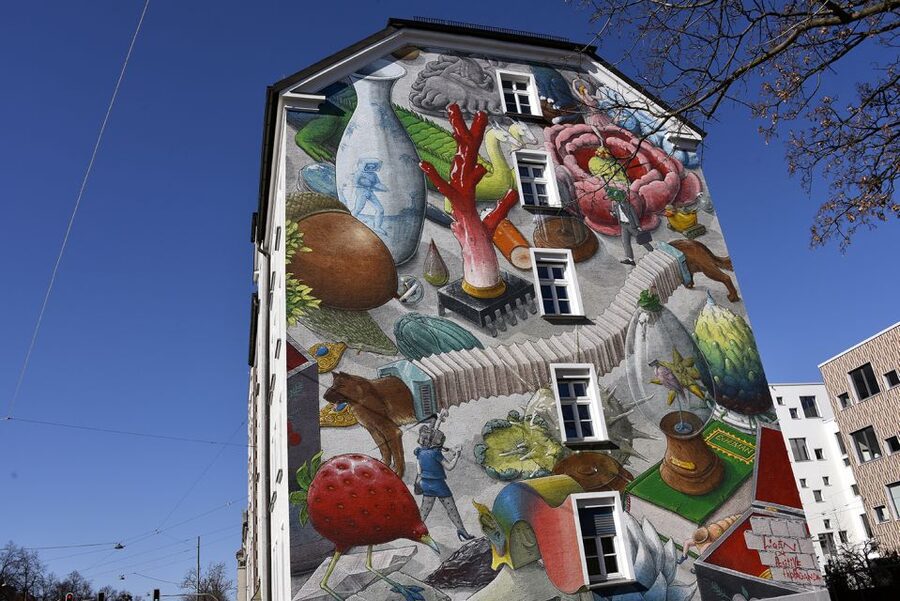
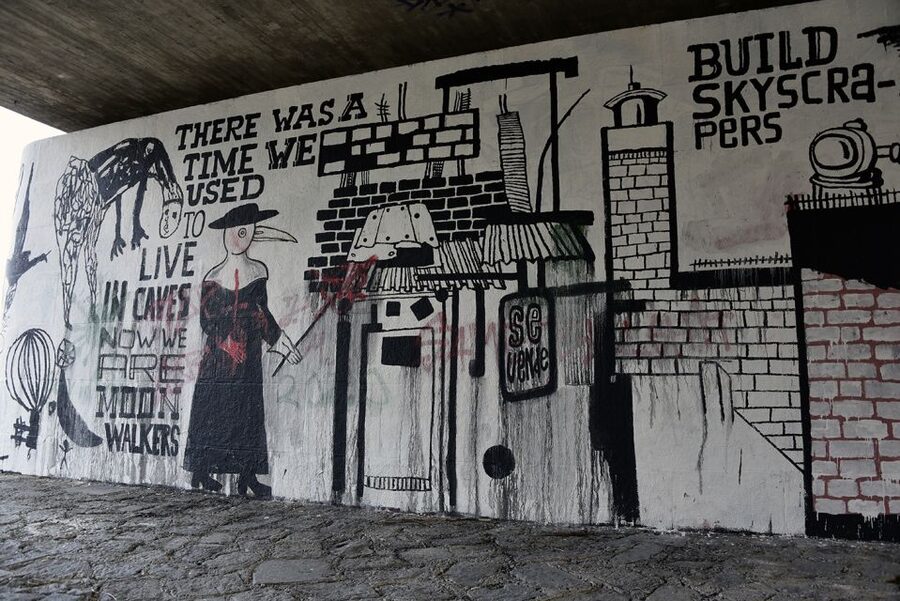
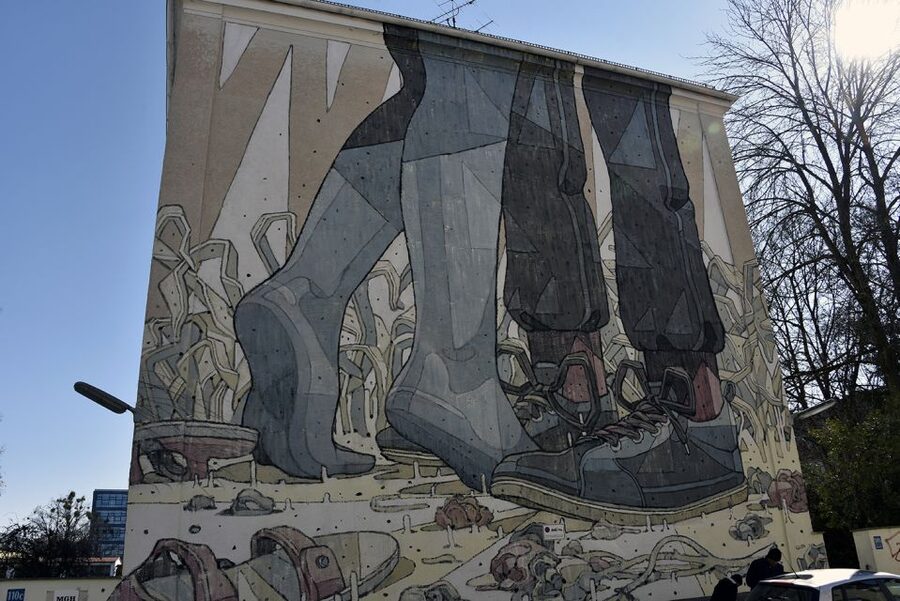
Munich’s clean, polished image hides a surprising past: in the 1980s, the city was one of Germany’s early centers for graffiti. This 3.5-hour bike tour takes you away from the postcard center and into Giesing, the Isar corridor, and the slaughterhouse district, where the city’s street art story is easier to read.
I like the mix of graffiti history and real city riding, rather than a simple walk between painted walls. I also like the route’s local flavor, especially the Isar stop and the ride through a former working-class neighborhood. The main drawback is length: the route can feel too long for some children, and the official tour language is German.
Key points at a glance
- Munich’s 1980s graffiti story: Learn why the city became an important stop for graffiti artists alongside New York.
- A ride beyond Marienplatz: Leave the tourist center behind and pedal toward Giesing and the slaughterhouse district.
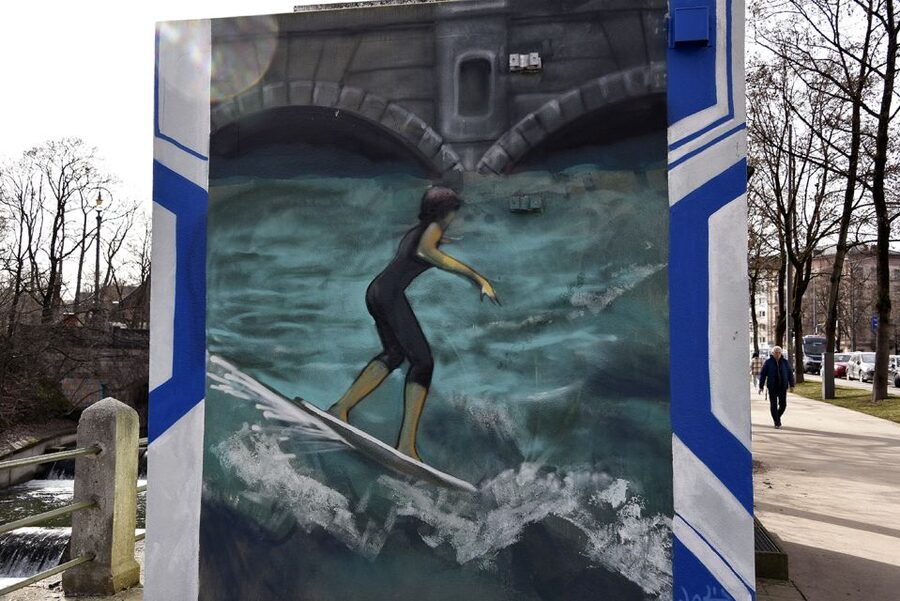
- Art along the Isar: Stroll and ride beside the river while looking for work left by established and newer artists.
- A railway bridge break: Pause on a boat near a railway bridge, adding an unusual rest stop to the route.
- German-speaking guidance: The tour is officially in German, though guide Ulrike has patiently explained the subject to English-speaking families.
- Best for active explorers: Rental bikes are included, but the tour is not suitable for children under 10 or wheelchair users.
Why Munich is a surprising graffiti city
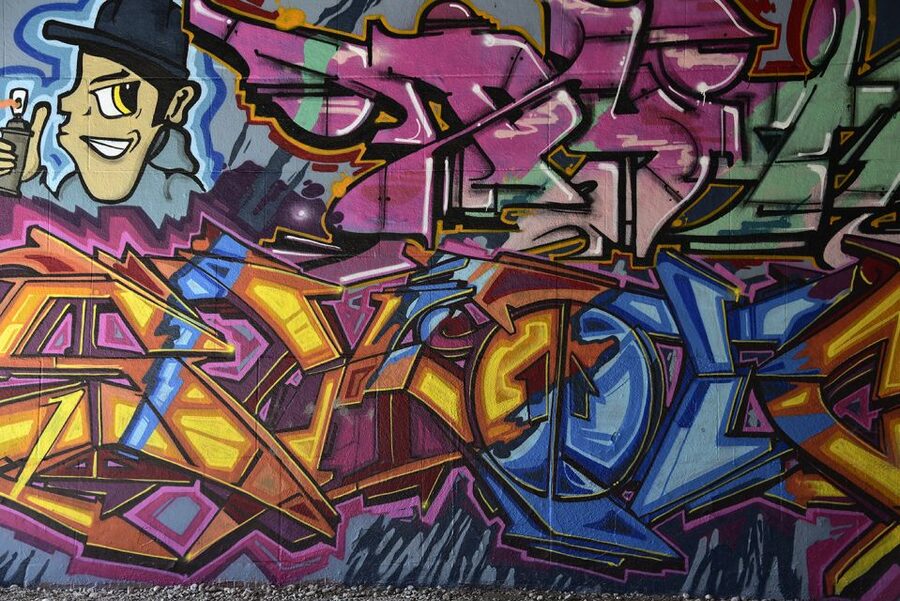
If you picture Munich as grand squares, palaces, tidy streets, and well-dressed shoppers, you are not wrong. But that is only one layer of the city. In the 1980s, Munich became a major center for graffiti in Germany, with a reputation that reached beyond the country.
That background gives this tour more substance than a standard street-art outing. You are not simply hunting for colorful walls. You are learning how graffiti took root in a city better known for traditional architecture and orderly public spaces.
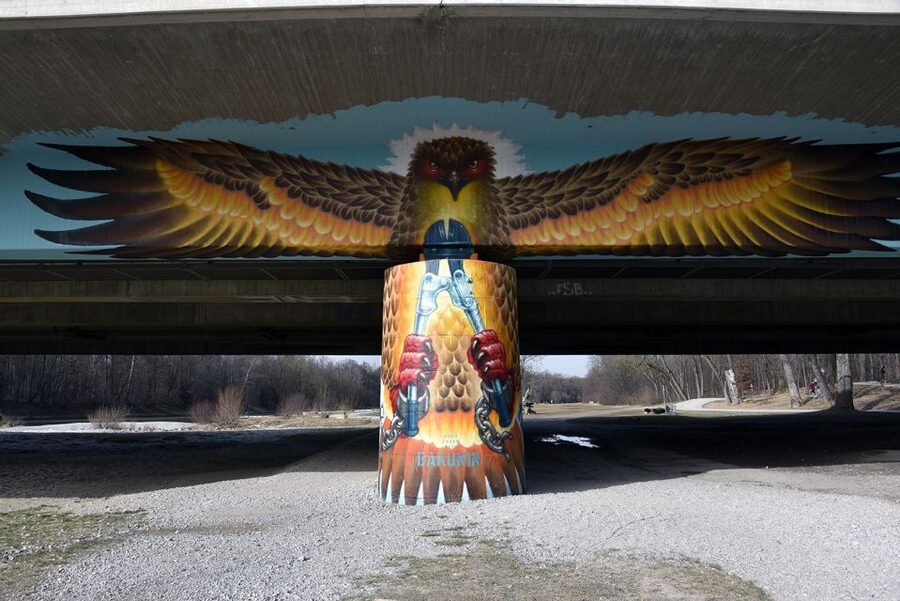
The route introduces you to artists who helped shape the local scene, along with newer names adding their own work today. The contrast matters. Older pieces show the roots of the culture, while newer work helps you see that Munich’s street art is not just a museum piece from the 1980s.
Your guide explains the facts as you ride, so the art has a setting and a story. Some people will love this context. If you prefer to look at murals without much commentary, the steady stream of information may feel like more than you need.
Other rides around Munich:
- Munich 3-Hour Guided Bike Tour
★ 4.5 · 1,731 reviews - Classic Mike’s Bike Tour daily @ 11.30 incl Beer Garden & Surfers
★ 5.0 · 1,246 reviews - Neuschwanstein Castle by Bus Incl. Bike Ride or Hohenschwangau
★ 5.0 · 607 reviews
Starting at Marienplatz, then leaving the postcard center
The meeting point is in front of the Tourist Information Office at Marienplatz. Look for a guide holding a yellow street art tour sign with red lettering. This is a central and easy place to reach, but it also creates a clear contrast between the Munich most people come to see and the city you are about to explore.
You begin in the heart of the old town, then move away from the crowds by bike. That change is part of the appeal. Rather than spending the full tour near famous buildings, you get a feel for how Munich changes as you ride into districts with a different social and visual character.
The bicycles are included, which keeps the outing simple. You do not need to arrange your own rental before arriving. The available bikes were described as comfortable by one family who took the tour, an important point during a ride lasting 210 minutes.
Still, this is not a quick spin around town. You will be on a bike for much of the experience, with stops and a break along the way. Wear clothes you can ride in and expect the tour to take a solid part of your day.
Following the Isar and reading the walls
The route heads toward the Isar River, where you can see art placed in a less polished setting than Munich’s central squares. The river section brings a little breathing room to the tour. You can walk beside the water, look for painted surfaces, and consider how street art changes depending on its surroundings.
The Isar is also useful as a link between different parts of the city. You are not being driven from one isolated mural to another. You are riding through Munich and seeing how the art sits within ordinary urban life.
Some of the work comes from artists who helped establish Munich’s graffiti culture. Other pieces are by newer artists. Your guide’s job is to point out the difference, explain the background, and help you notice details that may pass unnoticed if you simply cycle by.
This is where the tour’s subject becomes more interesting than a collection of photographs. Graffiti is tied to place, movement, and public space. A wall beside the river tells a different story from a work in a busy commercial district. The route lets you compare those settings for yourself.
Giesing, a former working-class district
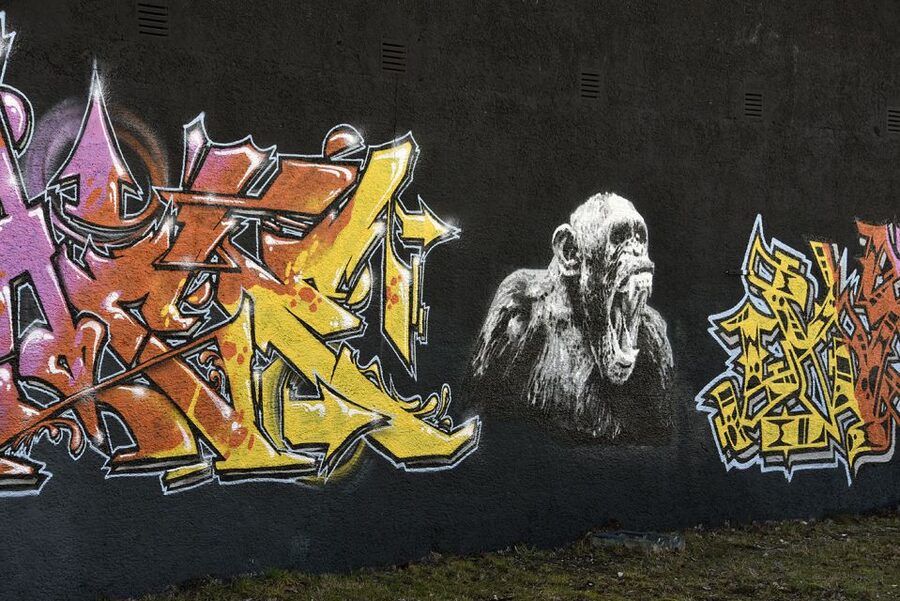
From the Isar area, the ride continues to Giesing. Once known as a working-class neighborhood, Giesing offers a useful counterpoint to central Munich. You get farther from the usual sightseeing path and see a district that is part of the city’s everyday fabric.
I like this part of the route because it gives the street art a social setting. The tour is not only about famous artists and eye-catching color. It also takes you into a neighborhood with its own identity, where the art becomes part of the local surroundings rather than a special attraction set aside for visitors.
The cycling itself is part of the experience. You are moving at street level, not looking through a bus window or following a guide through a packed pedestrian lane. You may find this more engaging than a conventional city tour, especially if you enjoy seeing how one district gives way to another.
There is a tradeoff. A bike tour covers more ground than a walking tour, but you spend less time at each individual piece. If one mural catches your eye, you may want more time to study it than the schedule allows.
Other street art to go and find in Munich:
- Berlin: City Street Art Guided Walking Tour
★ 4.8 · 886 reviews - Berlin: 3-Hour Street Art Tour
★ 4.7 · 778 reviews - Dresden: Neustadt District Street Art Guided Walking Tour
★ 4.4 · 267 reviews - Cologne: Ehrenfeld District Street Art Walking Tour
★ 4.9 · 202 reviews
The slaughterhouse district and a boat by the railway bridge
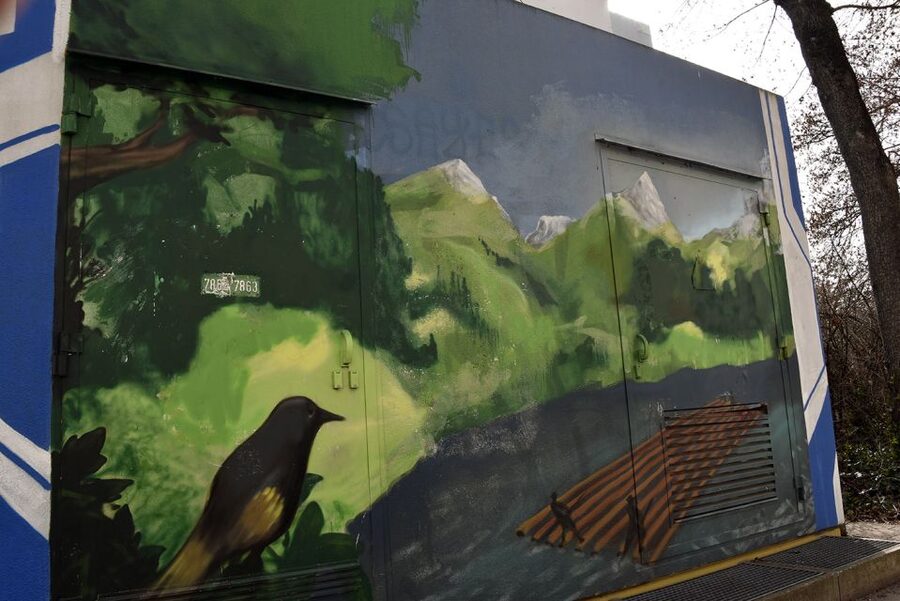
The route continues toward Munich’s slaughterhouse district. This is another area far removed from the city’s polished tourist image, and it suits the tour’s purpose well. Street art often makes the most sense in working and industrial parts of a city, where large walls and practical structures provide space for bold work.
Here, you take a break on a boat near a railway bridge. It is an unusual pause, and it breaks up the cycling without turning the tour into a formal sightseeing stop. The setting also gives you time to rest while staying connected to the city’s rougher, more functional side.
Do not expect a long meal stop or a major attraction visit. The information describes a break on a boat, not a restaurant meal or a full river cruise. Think of it as a chance to pause, take in the surroundings, and let the guide continue the story before the ride moves on.
For many people, this kind of stop will be a highlight because it feels different from a standard city itinerary. If you want a tour built around grand interiors and famous monuments, this will seem unusual. That is precisely its strength for anyone seeking another side of Munich.
Old masters, new artists, and useful context
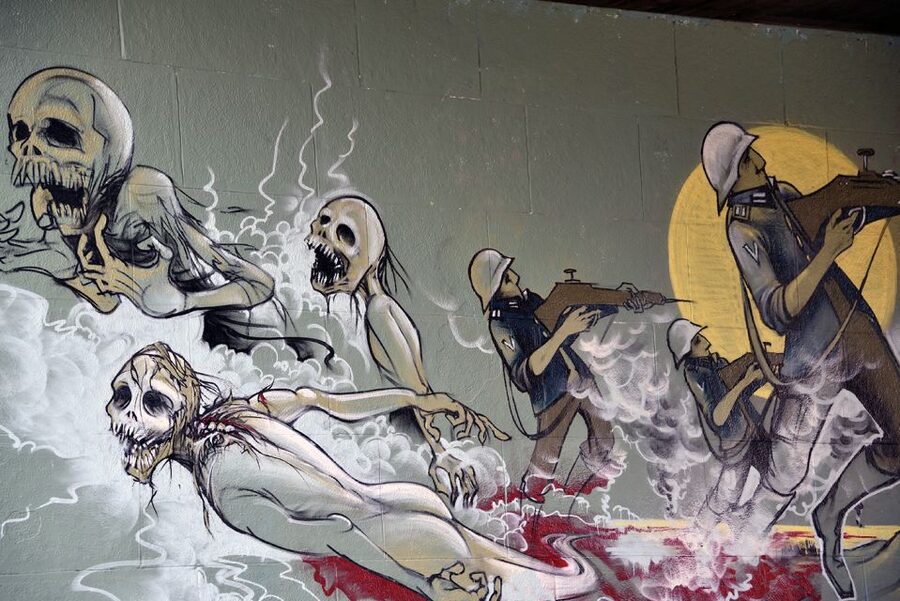
The tour introduces work by artists who helped shape Munich’s graffiti culture, along with pieces by newer street artists. That balance keeps the subject from feeling locked in the past.
The older work gives you a sense of the movement’s early days. Munich’s place alongside New York in graffiti history is a striking fact, especially for a city many people associate with classical culture, beer halls, and expensive shopping streets. The newer work shows how the scene continues to change.
A good guide makes a major difference here. Ulrike led one tour for a family whose official language was German, yet she made a strong effort to explain the material to English speakers. She was described as friendly, patient, and helpful, and she managed to keep both adults and children involved.
That does not change the booking details: the live tour is listed in German. If you do not understand German, contact the provider before booking rather than assuming every departure will include English commentary. The experience may still be visually worthwhile, but the historical explanations are a central part of the tour.
How the German-language format affects the experience
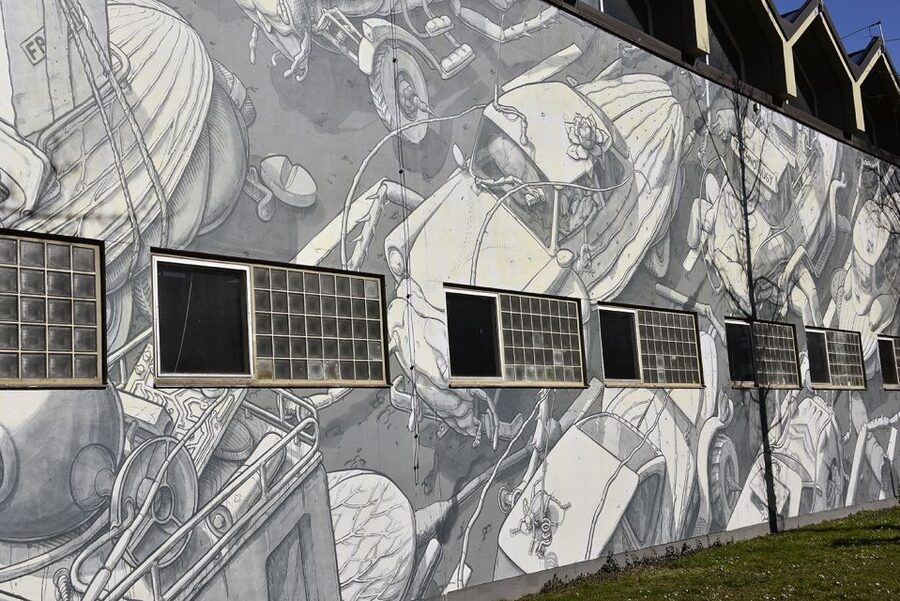
Language is the most important practical point to settle before you reserve. The listed tour language is German. That means the route is designed for people who can follow a German-speaking guide for several hours.
An English-speaking family had a good experience with Ulrike because she took time to explain things in English. That is encouraging, but it is not a promise that every tour will operate bilingually or that an English guide will be assigned.
If your German is limited, the art, cycling, and route still provide plenty to see. You can also ask in advance about language support or a private group. A private option may offer more flexibility, though the supplied information does not specify a separate price or guaranteed English service.
For German speakers, the language is not a concern. You can focus on the details, ask questions, and get the full background on the city’s graffiti scene.
Is $40 a fair price?
At $40 per person, the tour costs more than simply renting a bicycle and exploring on your own. But that comparison misses the main value. You are paying for a guide, a planned route, access to a focused subject, and three and a half hours of interpretation.
The rental bike is included, so you avoid adding a separate hire fee. The route also reaches Giesing and the slaughterhouse district, places you might not choose on a first visit without a clear reason to go there.
I consider the price fair if you enjoy urban history, photography, street art, or active sightseeing. It is less compelling if your main goal is a short orientation ride or a list of famous landmarks. The value depends on how much you want the background behind the art.
The private-group option may appeal to families or friends who want a more personal pace. It may also help if language or scheduling is a concern, but you should check the final cost and arrangements before booking.
Who should book this bike tour?
This experience suits adults and older children who can handle a long ride and stay interested during explanations. The minimum age is 10. One 12-year-old found the tour a little too long, while another family said their 10- and 12-year-old boys enjoyed it and stayed occupied for several hours.
That difference is useful advice. The tour may work well for children who already like bikes, drawing, city walls, or unusual neighborhoods. It may drag for a child expecting a short ride with constant action.
You should also be comfortable with a full 210-minute outing. There is a break, but this is still a substantial commitment. The tour is not suitable for wheelchair users because the experience depends on cycling and walking between sites.
You will likely enjoy it most if you have already seen central Munich and want to spend time in areas that do not appear on the usual first-day route. It can also work early in a visit if you want a fresh introduction to the city, but it will not replace the major historic sights.
Practical details before you reserve
Meet at the Tourist Information Office in Marienplatz and look for the yellow sign with red writing. Since the departure point is central, give yourself enough time to find the exact spot rather than arriving at the last minute.
The tour lasts 210 minutes, and starting times depend on availability. Bikes and a guide are included. The activity is offered in German, with private groups available.
You can cancel up to 24 hours before the start for a full refund. You can also reserve without paying immediately, which helps if your Munich plans are still shifting.
Do not bring alcohol or drugs. For comfort, plan around a long period of riding and walking. The supplied information does not specify bike sizes, helmet arrangements, or the exact distance, so ask the provider if those details matter to you.
Should you book the Munich Street Art Bike Tour?
Book it if you want Munich beyond Marienplatz, enjoy cycling, and like learning how art connects with a city’s past and present. The ride along the Isar, the move into Giesing, and the stop near the railway bridge give you a side of Munich that a standard old-town tour will not reach.
Think twice if you want a short, easy activity, need guaranteed English commentary, or are traveling with children who lose interest after an hour or two. The German-language format and 210-minute length are the two biggest factors to settle first.
For the right person, $40 buys more than a bike ride. It gives you a local route, a clear story about Munich’s graffiti movement, and a practical way to see districts most first-time visitors skip.
FAQ
Where does the Munich Street Art Bike Tour meet?
The meeting point is in front of the Tourist Information Office at Marienplatz. Your guide will hold a yellow street art tour sign with red letters.
How long does the tour last?
The tour lasts 210 minutes, or three and a half hours.
What is included in the price?
A tour guide and rental bikes are included.
What language is the tour conducted in?
The live tour guide language is German. Guide Ulrike has provided explanations for English-speaking families, but English service is not listed as the standard tour language.
Is the tour suitable for children?
The tour is not suitable for children under 10. Older children may enjoy it, though the full 210-minute length may feel long for some 12-year-olds.
Is the tour suitable for wheelchair users?
No. The activity is listed as unsuitable for wheelchair users.
Is a private group available?
Yes. A private group option is available.
What areas of Munich does the tour visit?
The route includes the Isar River, Giesing, and the slaughterhouse district, as well as street art locations in Munich.
Does the tour include a break?
Yes. The route includes a break on a boat near a railway bridge.
Can I cancel for a refund?
Yes. You can cancel up to 24 hours in advance for a full refund.
Just added in Munich
- Pub crawl incl. Oktoberfest museum guided tour with beer tasting (private)★ 5.0 · 5 reviews
- South Tyrolean specialties and wine tasting★ 5.0 · 5 reviews
- Short & sweet: Tasting the Viktualienmarkt★ 4.8 · 37 reviews
- Size Matters Beer Tour Munich★ 4.6 · 105 reviews
- Secret Food Tours Munich★ 4.8 · 5 reviews
- Munich: Romantic Wine Experience for Two at Viktualienmarkt★ 4.2 · 14 reviews
- Munich: Resistance against Hitler – Historical Walking Tour★ 5.0 · 5 reviews
- Residence of Munich private tour with skip the line ticket★ 5.0 · 4 reviews
Cycling Tours, compared.
Sights and Highlights Bike Tour with a Local Guide
Read our review →
Classic Mike’s Bike Tour daily @ 11.30 incl Beer Garden & Surfers
Read our review →
Berlin Highlights Sightseeing Bike Tour in Small Groups
Read our review →
Browse the lists this tour appears in