
Reviewed · FOOD TOURS
Glockenbachviertel culinary – the food tour
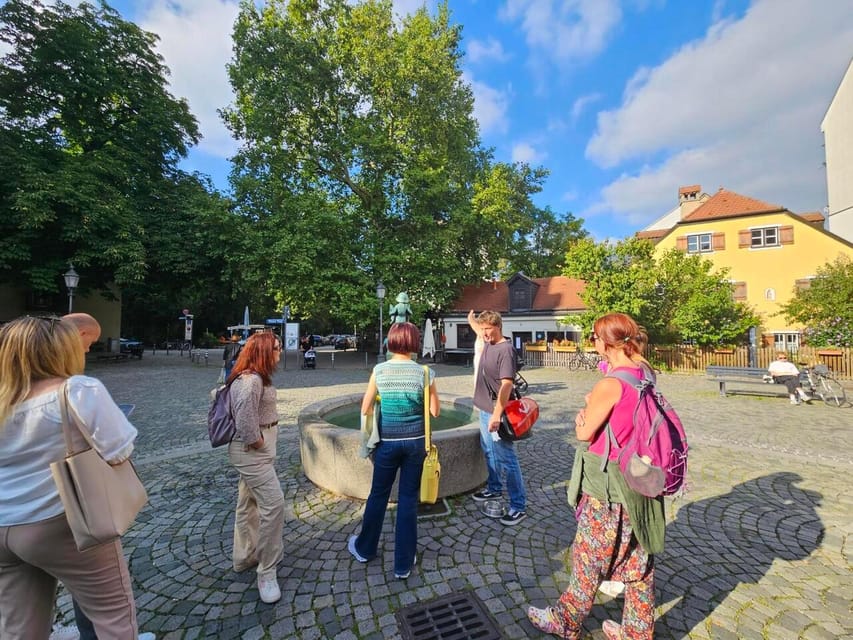
Munich’s Glockenbachviertel is best understood one bite and one street corner at a time. This three-hour walking tour brings together five food tastings, cafés, boutiques, old buildings, the State Theater, and the Old South Cemetery in one of Munich’s most colorful districts. I like the mix of international food and original Munich specialties, and I like that the guide adds neighborhood stories instead of simply marching you from restaurant to restaurant.
I also appreciate the focus on the district’s gay and lesbian community, which has helped shape the area around Müllerstrasse since the 1990s. The main caution is food consistency: one stop has drawn criticism for a tomato soup served at a Romanian shop, so this tour is better for curious eaters than for anyone expecting a carefully polished tasting menu.
Key points at a glance
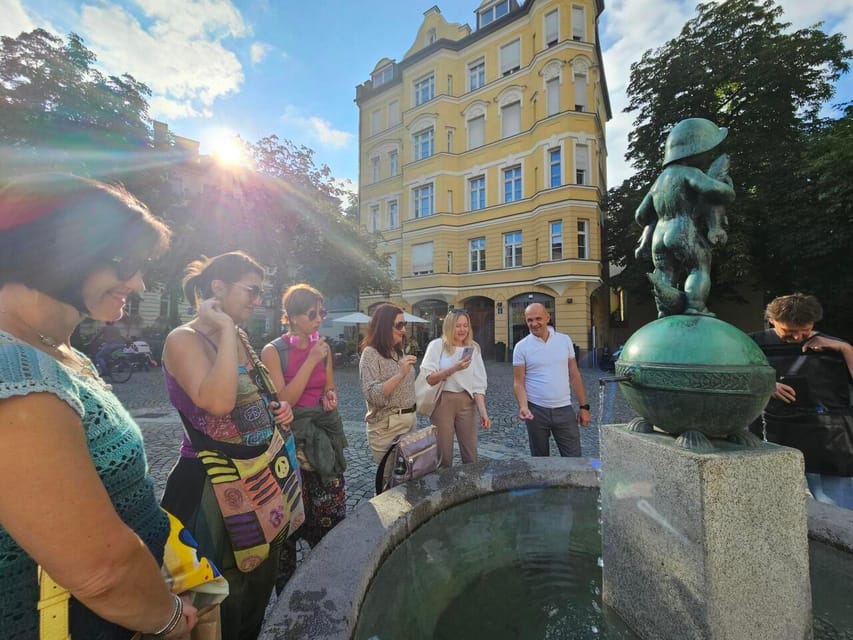
- Five tastings on foot: The food stops are spread through the neighborhood, giving you a reason to explore rather than sit in one restaurant.
- Glockenbachviertel beyond the nightlife: You’ll see cafés, boutiques, craft shops, old buildings, and important civic sites.
- International and Munich flavors: The tasting selection combines local specialties with food from the district’s wider cultural mix.
- Stories about the underground: The guide discusses lesser-known sides of Munich and adds funny local anecdotes.
- Private groups available: A private booking can work well for friends or family who prefer their own pace.
- Drinks cost extra: The price covers the food tastings and guide, but not beer, wine, coffee, or other drinks.
Munich is often reduced to grand palaces, beer halls, and handsome squares. Glockenbachviertel gives you a different city. South of the central sights, this former working-class district has become one of Munich’s most fashionable areas, with cafés, small shops, old apartment buildings, nightlife, and a strong LGBTQ+ presence.
That change is part of what makes the tour worthwhile. You are not only eating five samples. You are learning how a neighborhood changes, what remains from its older days, and how a local community gives a district its character.
The tour lasts three hours and takes place on foot. That matters here. Glockenbachviertel is best experienced at street level, where a stylish boutique sits beside an older building and a café opens onto a lively pavement. You get a better sense of the neighborhood by walking between stops than by sitting inside a single restaurant.
The guide speaks German or English and is trained by Adventure World Tours. The tour is offered as a private group option, which can make the $511 group price more sensible for a party of several people. For the full group of up to 10, the cost works out to about $51 per person before drinks. For only two people, it becomes a much more expensive food walk.
The food is the practical center of the experience. Five tastings are included at selected culinary stops, and the exact meeting point may depend on the option you book. The route is not presented as a formal multi-course meal, so you should think of it as a guided sampling walk.
That format has a clear advantage. You can try several kinds of food without committing to a large meal at one place. International flavors fit the district’s mixed identity, while Munich specialties connect the food to the city you came to see.
The food stops also give the guide natural openings to explain the area. A bite can lead into a story about a shop, a street, a community, or a change in the neighborhood. That is more useful than a list of dishes with no context.
Still, keep your expectations realistic. The tastings are selected stops, not a fixed fine-dining menu. One tasting has been poorly received: a Romanian shop served tomato soup that one participant found unpleasant enough to suggest removing it from the route. That does not make the entire tour a bad choice, but it shows that the food quality may vary from stop to stop.
If you are adventurous and enjoy trying unfamiliar food, this is a reasonable trade-off. If you want every sample to be a favorite, you may prefer booking a restaurant meal where you control the menu.
Müllerstrasse is a key part of the Glockenbachviertel experience. Since the 1990s, the area has developed a strong gay and lesbian scene, and that community remains central to how the district is presented.
This is an important part of the tour because it keeps the neighborhood from becoming just another fashionable shopping quarter. The cafés, nightlife, street festivals, and independent businesses reflect a social history as well as a current entertainment scene.
You will hear about the district’s past as a working-class area and its later rise as one of Munich’s trendiest quarters. Those changes can be seen in the combination of well-kept older buildings, modern businesses, creative shops, and nightlife venues.
The tour description also promises funny anecdotes and stories about the area’s underground. That phrase is not explained in detail, so do not book expecting a specific hidden bunker or secret tunnel visit. Treat it as an introduction to lesser-known sides of Munich and the district’s less formal history.
Between tastings, the route passes through the everyday parts of Glockenbachviertel. You may see charming cafés, stylish boutiques, and creative craft stores. These places help explain why the district attracts people looking for something different from Munich’s major tourist streets.
The appeal is not a single famous sight. It is the accumulated effect of small details: a shop window, an old façade, a busy café, or a local festival space. You get time to notice how residents use the neighborhood, rather than only photographing landmarks.
This is also where the three-hour duration earns its keep. A rushed food tour can feel like a series of snacks with no sense of place. Three hours allows the guide to connect the tastings with the streets between them.
The route may be especially useful early in a Munich visit. You can get a feel for the district, note cafés and shops you might return to, and understand where the nightlife and community activity are concentrated. The tour finishes back at the meeting point, so you are not left figuring out an unfamiliar part of the city at the end.
The culinary stops are balanced with cultural and historic places. The renowned State Theater is included among the important points along the route, adding a formal cultural landmark to a tour otherwise focused on neighborhood life.
The Old South Cemetery offers a quieter change of pace. It is the final resting place of many important personalities, and its inclusion broadens the tour beyond food and nightlife. You get a reminder that Glockenbachviertel is not only cafés, bars, and boutiques. It also contains places tied to Munich’s past.
The cemetery stop may appeal to you if you like tours that mix ordinary city life with history. It also provides contrast. After moving through lively streets and food businesses, a cemetery encourages a slower look at the city and its people.
The available information does not promise a guided visit to specific graves or a long historical lecture, so I would not treat this as a specialist cemetery tour. Its value is as one part of a wider neighborhood walk.
A food tour depends heavily on the guide. Here, the guide is trained by Adventure World Tours and leads in German or English. The promised approach includes insider knowledge, local stories, and humorous anecdotes.
That style should suit you if you want context without a formal lecture. The best moments on a neighborhood tour often come from the connections between places: why a district changed, which communities shaped it, and how a street became known for its cafés or nightlife.
The guide also provides structure. Without one, Glockenbachviertel can be pleasant but scattered. With a guide, the food, architecture, community history, and landmarks become parts of a single walk.
The small number of published ratings suggests you should avoid treating the 4.6 score as a guarantee of perfection. The strongest praise is for the tour’s entertainment value and information. One person especially liked the experience for people who enjoy beer, while another found it informative and said they would do it again. The more cautious response focused on one weak tasting, not on the guide or the walking route.
That is a useful distinction. The tour’s main strength is the combination of storytelling and neighborhood discovery. The food is important, but it may not be equally strong at every stop.
The listed price is $511 per group of up to 10 people. That makes the value depend on your party size.
For 10 people, the cost is about $51 per person. You receive three hours with a trained guide and five food tastings, which is a fair structure for a private city experience in a central Munich district. For five people, the figure rises to roughly $102 each. For two people, it becomes about $256 per person, before drinks.
The private-group option is therefore most attractive to a larger party. Friends traveling together can share the fixed cost and enjoy a more personal outing. It may also suit a family or small group that wants to ask questions and move at its own pace.
Drinks are not included. This is easy to overlook, especially in Munich, where beer may be part of your idea of a food tour. Budget extra if you want beer, coffee, wine, or another drink at a stop. One rating specifically connected the enjoyment of the tour with an interest in beer, so beer lovers may find the route more appealing than visitors who want food only.
The tour offers free cancellation up to 24 hours before the start, and you can reserve now and pay later. These terms are useful if your Munich schedule is still changing, but the main value question remains party size and your attitude toward varied tastings.
I would recommend this experience to you if you want to see a Munich district through local businesses and community stories rather than only through major monuments. It is a good fit for first-time visitors who want a neighborhood orientation and for repeat visitors looking for a different side of the city.
It also suits people who enjoy trying international food, hearing local anecdotes, and walking at a relaxed sightseeing pace. The mix of cafés, boutiques, craft shops, cultural sites, and food stops gives the outing more range than a standard restaurant crawl.
Beer fans may get extra enjoyment from it, especially if they like combining local stories with a drink along the way. Just remember that drinks are not part of the listed price.
I would be more cautious if you have strict dietary requirements, although the supplied information does not explain dietary accommodations. I would also hesitate if your main goal is a guaranteed high-end food experience. The criticism of the tomato soup shows that at least one tasting may not suit every palate.
Wear comfortable shoes, arrive at the correct meeting point for your booked option, and do not plan a large meal immediately before the tour. Five tastings over three hours may not replace lunch, but they should be enough to shape your appetite and give you a useful introduction to the district.
Book it if you want a three-hour neighborhood walk where food opens the door to Munich’s social history, LGBTQ+ culture, old buildings, cafés, nightlife, and cemetery heritage. The strongest reasons to go are the guide-led storytelling, the five varied tastings, and the chance to see Glockenbachviertel as a lived-in district rather than a quick stop for drinks.
Think twice if you are booking mainly for flawless food. The tastings are not equally reliable, and one tomato soup stop has received a notably poor response. The $511 price also makes the tour much better value for a larger private group than for one or two people.
For friends, families, and curious eaters who want an easy introduction to one of Munich’s most distinctive neighborhoods, this is a worthwhile choice. Go for the mix of food and local character, not for a guaranteed gourmet meal.
FAQ
More Food Tours in Munich
- Munich: Viktualienmarkt Food Tour
★ 4.5 · 1,127 reviews - Munich: Beer and Food Tour with Dinner & Oktoberfest Museum
★ 4.7 · 1,086 reviews - Lunch Like a Local: Munich’s ORIGINAL Viktualienmarkt Food Tour
★ 5.0 · 416 reviews
Where does the Glockenbachviertel culinary tour take place?
The tour takes place in the Glockenbachviertel district in the south of Munich, Bavaria, Germany.
How long does the tour last?
The walking tour lasts three hours. Starting times depend on availability when you book.
How many food tastings are included?
Five tastings at selected culinary stops are included in the tour.
Other eating walks in Munich:
- Munich: Viktualienmarkt Food Tasting Tour in German
★ 4.7 · 394 reviews - Munich: 3-Hour Culinary Nightwatch Tour
★ 4.3 · 87 reviews - Munich: 3-Hour Food Tour Through Haidhausen in GERMAN
★ 4.7 · 21 reviews - Munich Food Tour: The Ultimate Bavarian Full Meal & Drinks
★ 4.7 · 18 reviews
Are drinks included?
No. Drinks are not included in the listed tour price.
What languages are available?
The live guide can lead the tour in German or English.
Is the tour private?
A private group option is available. The listed price covers a group of up to 10 people.
What landmarks are included?
The route includes important places such as the State Theater and the Old South Cemetery.
Does the tour discuss Munich’s LGBTQ+ community?
Yes. The tour covers the gay and lesbian community that has helped shape the area around Müllerstrasse.
Where does the tour end?
The activity ends back at the meeting point.
Can I cancel for a full refund?
Yes. You can cancel up to 24 hours in advance for a full refund.
More eating and drinking in Munich
- Bavarian Beer and Food Evening Tour in Munich
★ 4.5 · 1,575 reviews - Classic Mike’s Bike Tour daily @ 11.30 incl Beer Garden & Surfers
★ 5.0 · 1,246 reviews - Munich’s Beer Halls and Breweries: 3-Hour Guided Tour
★ 4.6 · 928 reviews - Munich: Bike Tour with Beer Garden Break
★ 4.9 · 391 reviews
Just added in Munich
- Pub crawl incl. Oktoberfest museum guided tour with beer tasting (private)★ 5.0 · 5 reviews
- South Tyrolean specialties and wine tasting★ 5.0 · 5 reviews
- Short & sweet: Tasting the Viktualienmarkt★ 4.8 · 37 reviews
- Size Matters Beer Tour Munich★ 4.6 · 105 reviews
- Secret Food Tours Munich★ 4.8 · 5 reviews
- Munich: Romantic Wine Experience for Two at Viktualienmarkt★ 4.2 · 14 reviews
- Munich: Resistance against Hitler – Historical Walking Tour★ 5.0 · 5 reviews
- Residence of Munich private tour with skip the line ticket★ 5.0 · 4 reviews
Food Tours, compared.
Elbphilharmonie Plaza and HafenCity Food Tour
Read our review →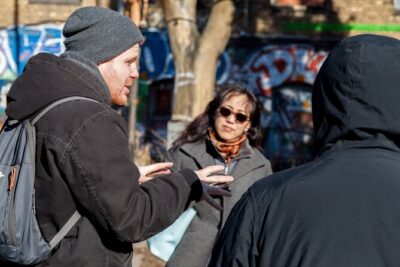
Berlin Center Food Tour with 8+ Authentic Local Tastings
Read our review →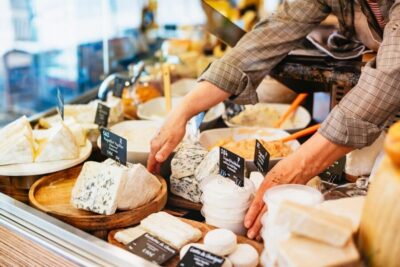
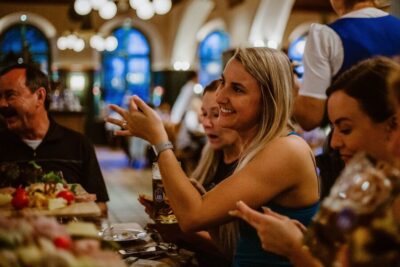
Beer and Food Tour with Dinner & Oktoberfest Museum
Read our review →

Browse the lists this tour appears in